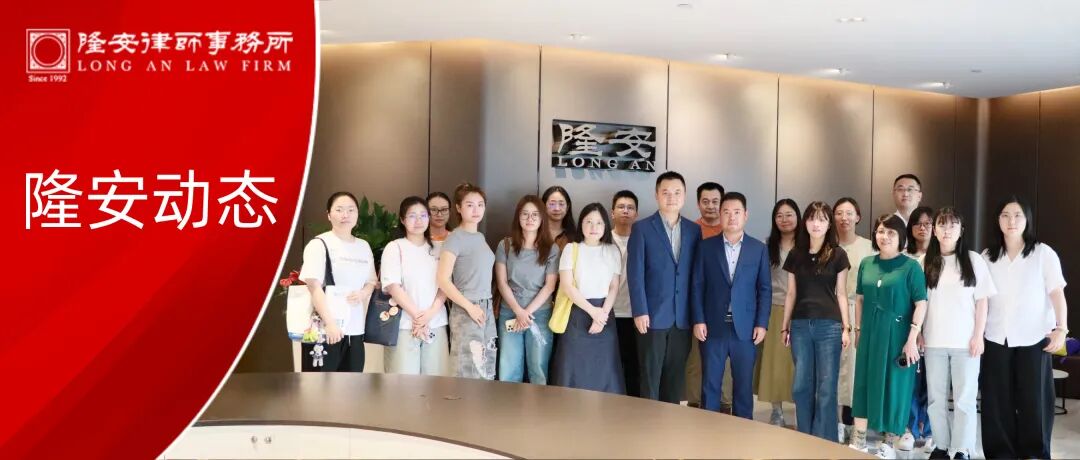
To support equity compliance and management capabilities for gaming and internet companies, the Guangzhou Game Industry Association and Beijing Longan (Guangzhou) Law Firm co-hosted the first session of the “Game Company Equity” salon series on May 21. Centered on “Equity Incentives and Single-Shareholder Companies,” the seminar featured presentations by Mr. Wu Rangjun, Senior Partner, Deputy Director of the Management Committee, and Head of Yanshang Game Law, and Mr. Zhang Jing, Senior Partner, Director of the Corporate Law Committee, and Deputy Head of the Tax-Related Business Department. The event drew numerous professionals from the gaming and internet sectors.
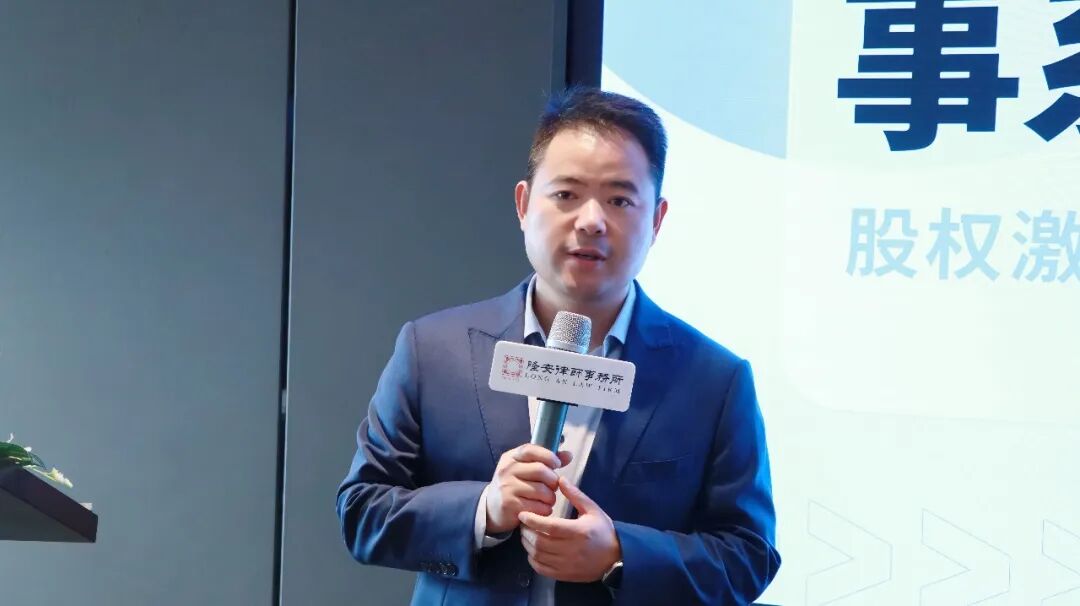 Mr. Wu Rangjun, Senior Partner, Deputy Director of the Management Committee of Longan Guangzhou, and Head of Yanshang Game Law
Mr. Wu Rangjun delivered the opening remarks. He noted that the gaming industry is navigating a critical transition characterized by stricter compliance and intense talent competition, making robust equity governance essential. This salon series aims to serve as an industry-focused platform to share compliance practices and support the growth of gaming and internet enterprises.
Presentations
Equity Incentive Design for Game R&D Project Teams
 Mr. Zhang Jing, Senior Partner of Longan Guangzhou
In the first half of the salon, Mr. Zhang Jing presented on “The Fundamental Logic and Practical Design of Equity Incentives.” As a senior partner at Longan Guangzhou, Mr. Zhang has extensive experience in corporate equity structuring, equity incentives, investment and financing, M&A restructuring, tax planning, and public listings.
Mr. Zhang noted that as human capital becomes increasingly critical, relying solely on traditional salary structures is often insufficient to engage and retain key employees; therefore, equity incentives are not just distribution tools but also strategic mechanisms for organizational reform. He used real-world case studies to highlight common pitfalls in equity incentives, warning against uniform distributions or purely symbolic plans, and emphasized the importance of tax compliance, vesting conditions, and clear exit mechanisms.
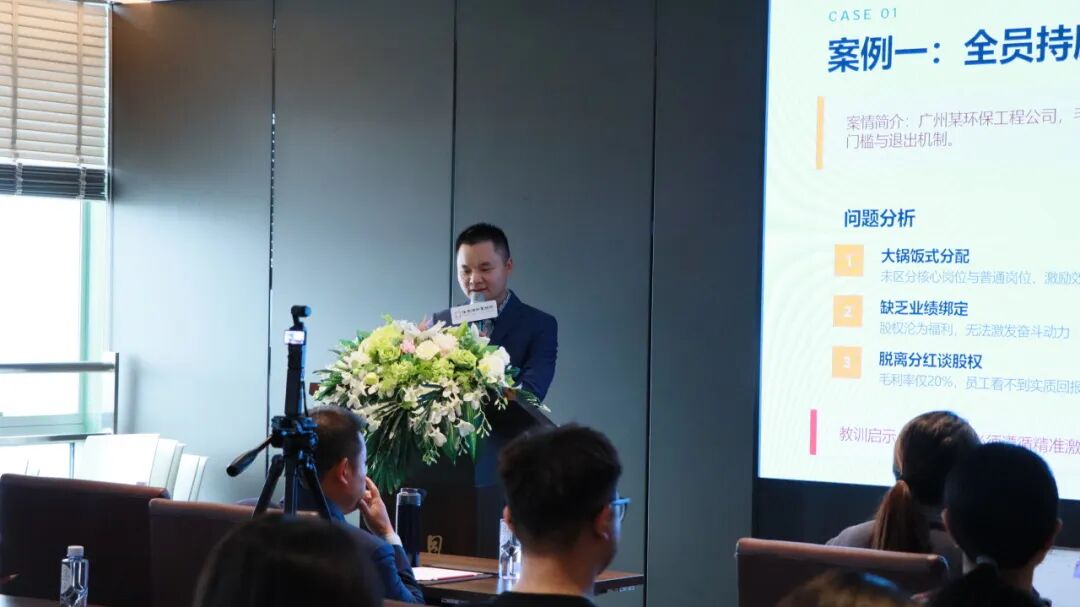
On designing actionable incentive plans, Mr. Zhang suggested evaluating five key aspects: financial diagnosis, performance management, risk control, tax planning, and capital market alignment. Addressing industry-specific challenges—such as high R&D costs, low predictability, and typical distribution difficulties—he introduced a mechanism where project-specific subsidiaries act as incentive vehicles. This approach directly links incentives to the inputs and profits of specific projects, improving precision and effectiveness.
The “Limited” Illusion of Single-Shareholder Companies: Risk Prevention for Game Company Owners
 Mr. Wu Rangjun, Senior Partner, Deputy Director of the Management Committee of Longan Guangzhou, and Head of Yanshang Game Law
In the second half, Mr. Wu Rangjun spoke on risks associated with single-shareholder companies. With over a decade of experience advising the gaming sector, Mr. Wu has deep insight into industry practices and business structures.
Mr. Wu opened with Article 23 of the PRC Company Law, which places the burden of proof on the sole shareholder of a single-shareholder company to demonstrate that company assets are separate from their personal assets, noting that annual audit reports are vital evidence in litigation. In practice, many owners assume that presenting an audit report automatically proves asset separation. However, judicial views vary: while some rulings accept compliant audit reports as sufficient proof, many courts hold that an audit report only confirms bookkeeping compliance rather than substantive asset separation, especially if undocumented fund transfers or accounting contradictions exist. Additionally, post-hoc audit reports prepared after a dispute arises are rarely accepted by courts, as they violate the statutory obligation of annual audits and fail to verify historical financial status accurately.
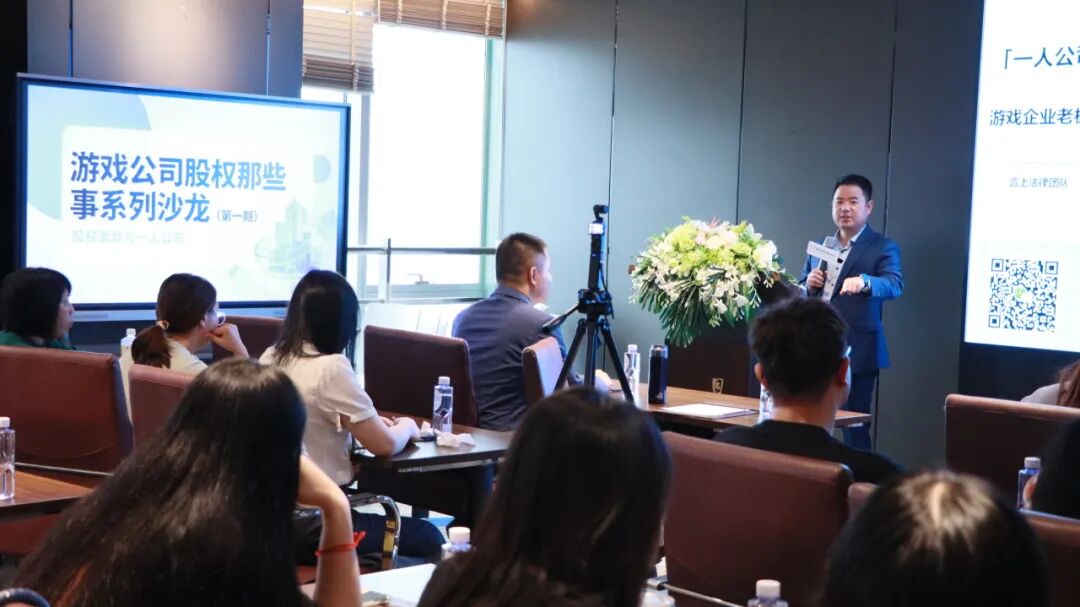
To defend against claims of personal liability, Mr. Wu pointed out that providing general materials such as salary records or social security payments is insufficient to prove asset separation. Instead, sole shareholders should submit records demonstrating financial regularity, including annual audit reports, financial policies, capital verification reports, and internal corporate charters. They can also request a specialized audit or apply to the court for a judicial financial audit to disprove asset commingling.
Mr. Wu also reviewed key judicial issues, including the division of liability between past and current shareholders after an equity transfer, corporate veil piercing in multi-tiered single-shareholder structures, and whether spousal-owned companies are treated as single-shareholder entities.
On compliance, Mr. Wu advised that single-shareholder structures do not offer unique legal advantages and should be chosen cautiously. For existing single-shareholder companies, owners must maintain strict financial separation, retain original records for all fund transfers, conduct annual audits regularly, and preserve reports to minimize the risk of asset commingling.
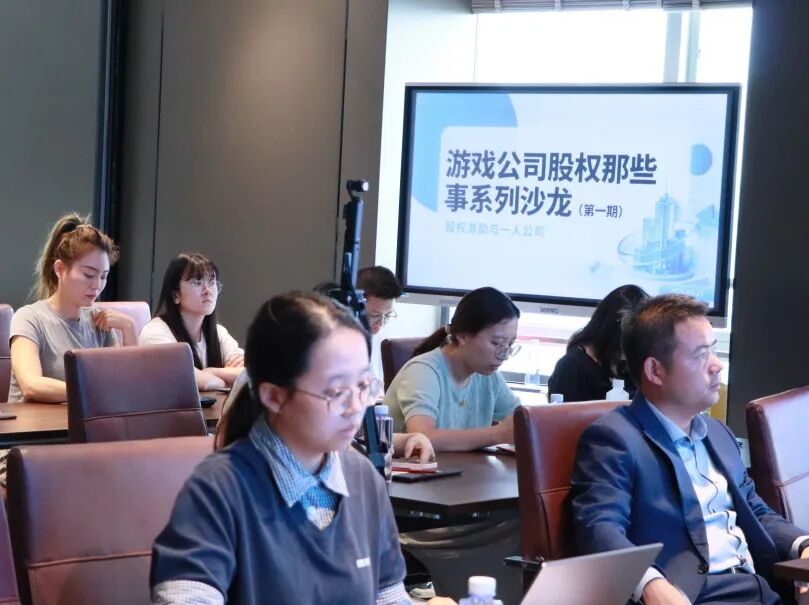

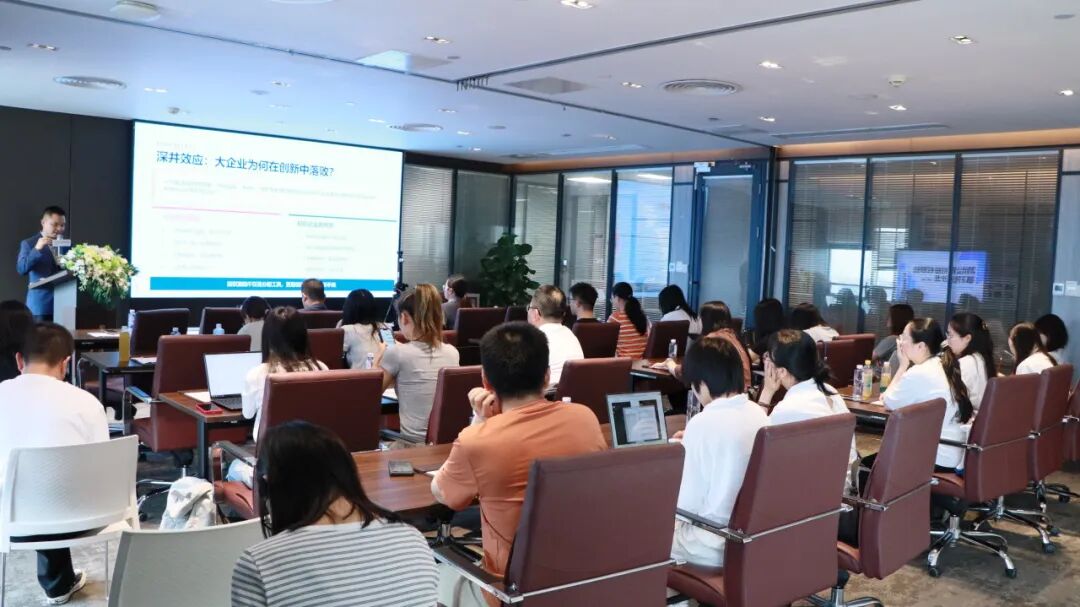
This event was the first session of the “Game Company Equity” series. Longan Guangzhou’s Yanshang Equity Team plans to organize further sessions on equity financing, corporate control, and shareholder disputes, providing legal support for gaming enterprises from inception to IPO.
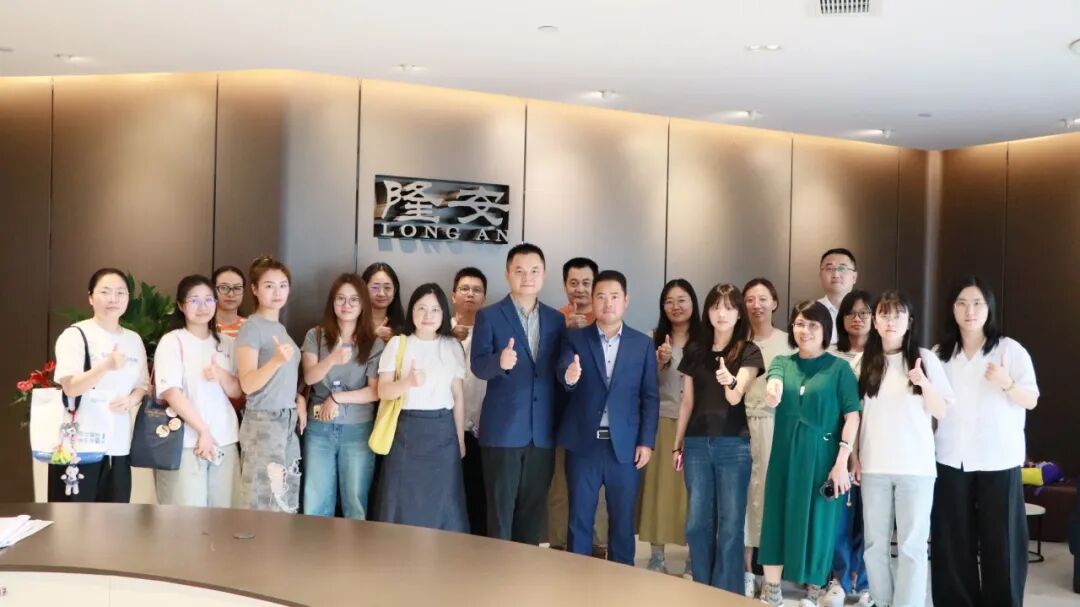
Focusing on regulatory and operational issues in the gaming and internet sectors, the salon delivered practical legal guidance, showcasing Longan Guangzhou’s focus in these areas. Moving forward, Longan Guangzhou will continue to design practical seminars and provide robust legal solutions to support the compliant development of enterprises.