On June 23, 2026, the second session of the “Game Company Equity” salon series, jointly organized by the Guangzhou Game Industry Association and Beijing Longan (Guangzhou) Law Firm, was held at Longan Guangzhou. Continuing the practical approach of the first session, this event focused on two core topics: corporate equity architecture design and the acceleration of unpaid shareholder contributions. The salon featured presentations by Mr. Wu Rangjun, Senior Partner, Deputy Director of the Management Committee, and Head of Yanshang Game Law, alongside Mr. Zhang Jing, Senior Partner, Director of the Corporate Law Committee, and Deputy Head of the Tax-Related Business Department. The event drew numerous corporate executives and project managers, fostering engaging discussions.
 Mr. Wu Rangjun, Senior Partner, Deputy Director of the Management Committee of Longan Guangzhou, and Head of Yanshang Game Law
Mr. Wu Rangjun delivered the opening remarks. He welcomed the guests and introduced the key themes of the salon, focusing on practical approaches to game enterprise equity structuring and legal challenges under the new PRC Company Law regarding the acceleration of shareholder capital contributions.
 Mr. Zhang Jing, Senior Partner, Director of the Corporate Law Committee, and Deputy Head of the Tax-Related Business Department of Longan Guangzhou
In the first half of the salon, Mr. Zhang Jing gave an in-depth presentation on the “Five Dimensions of Equity Architecture Design for Game Enterprises.” As a senior partner, Mr. Zhang specializes in equity design, equity incentives, investment and financing, mergers and acquisitions, tax planning, and public listings.
Mr. Zhang noted that equity structure serves as the foundation of corporate governance. He emphasized that businesses should establish a comprehensive blueprint and engage in forward-looking planning to avoid operational risks arising from poor design.
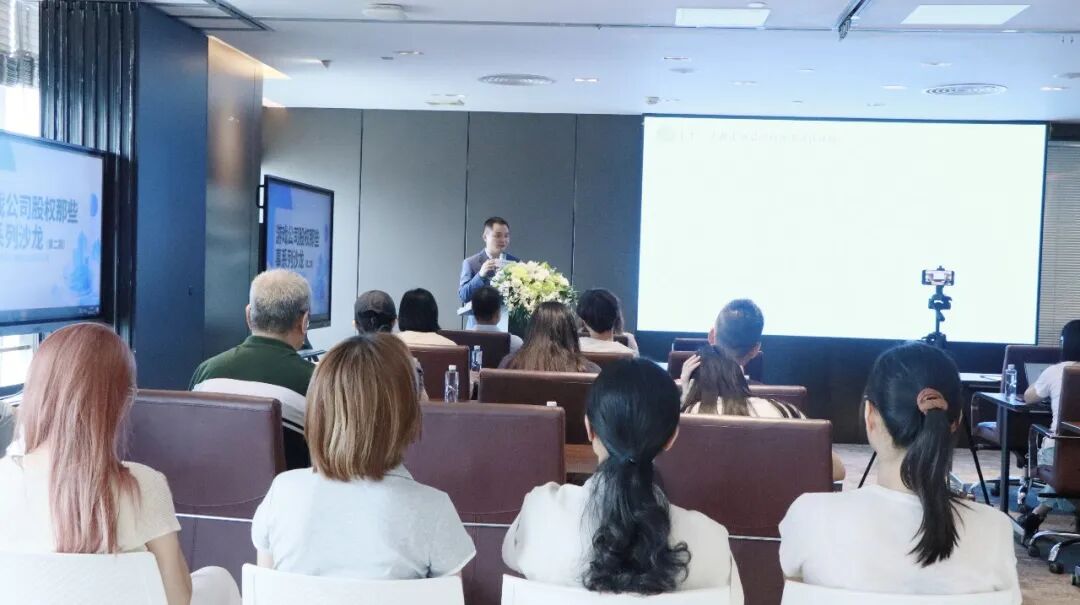
Mr. Zhang analyzed the five dimensions of equity structuring using practical case studies. Discussing risk isolation, he analyzed the joint and several liability risks arising from shareholder operations, focusing on three common structures: single-shareholder ownership, spousal co-management, and unpaid capital contribution liabilities post-equity transfer. On tax planning, he compared the tax burdens and application scenarios of three types of holding entities, and explained the criteria and strategies for “controlled foreign enterprises” (CFCs) in cross-border gaming firms.
Regarding M&A and restructuring, Mr. Zhang suggested that enterprises establish a clear, modular equity structure early on and make appropriate use of special tax treatment policies to streamline future transactions. For capital markets, he highlighted pre-listing considerations and solutions for gaming companies, focusing on red-chip structures and listing regulations.
Finally, regarding wealth inheritance, Mr. Zhang introduced practical ways to embed holding platforms and family trusts into equity structures, helping founders maintain corporate control while managing family wealth.

In the second half, Mr. Wu Rangjun delivered a presentation titled “The System of Acceleration of Shareholder Capital Contributions in the New Company Law Era: Legal Origins, Practical Disputes, and Systematic Analysis.” With extensive experience in commercial law, Mr. Wu shared insights into the latest amendments to the PRC Company Law and their judicial applications.
Focusing on Article 54 of the new PRC Company Law, Mr. Wu explained that this provision establishes the system for the acceleration of unpaid shareholder contributions outside of bankruptcy or dissolution, representing a major shift toward creditor protection. He added that the application of this article still faces multiple interpretation issues in judicial practice.
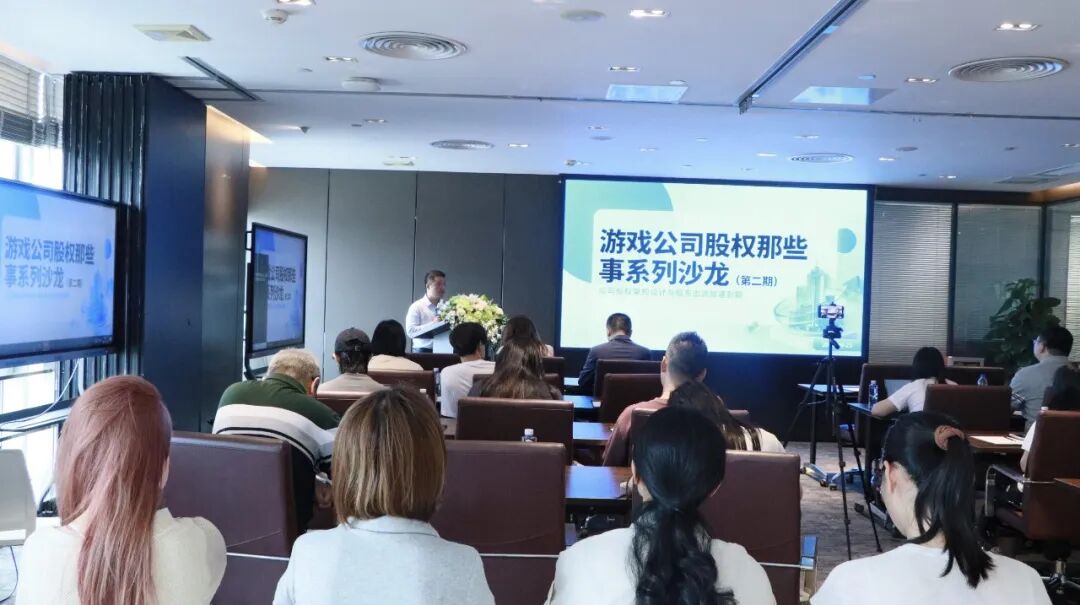
Mr. Wu traced the legislative evolution of the acceleration of unpaid contributions to provide context. He then detailed the core substantive requirements, focusing on the judicial standards for determining a company’s “inability to pay debts” and the distribution of the burden of proof among the parties.
Mr. Wu also analyzed the theoretical differences between the “payment to the company” rule and the “direct payment to the creditor” rule, explaining the priority of claims when a company and its creditors simultaneously demand unpaid contributions, in line with Supreme People’s Court views and regional court precedents.
Furthermore, he compared the pros and cons of four different litigation recovery paths and jurisdictional rules, explaining the liability system under the new PRC Company Law and providing practical suggestions on how to handle multi-tiered defendants and binary plaintiffs.
Finally, addressing the new five-year capital contribution rule, Mr. Wu analyzed the systemic changes brought about by the shortened contribution period. He offered practical guidance tailored to creditors, shareholders, and directors to resolve disputes related to accelerated contributions.



This event was the second session of the “Game Company Equity” series. In the future, Longan Guangzhou’s Yanshang Equity Team plans to organize further sharing sessions on topics such as valuation adjustment mechanisms (VAMs), equity financing, corporate control contests, and shareholder dispute resolution, providing full-lifecycle legal services to gaming enterprises from inception to IPO.
The salon was well-received by attendees for its industry-focused insights and practical solutions, demonstrating Longan Guangzhou’s capability in the gaming, entertainment, corporate governance, and capital markets sectors. Moving forward, Longan Guangzhou will continue to host high-quality exchange salons to support the stable operations and long-term development of businesses through refined and customized legal services.