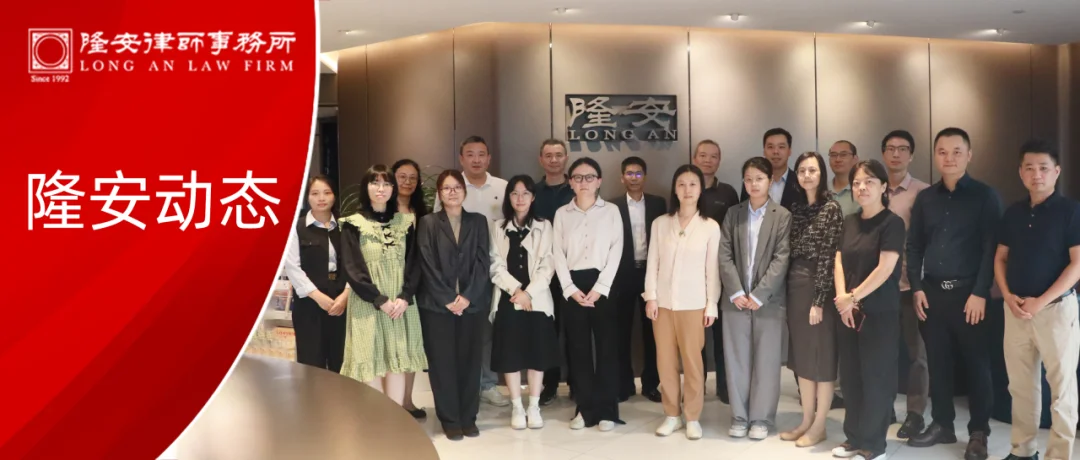
With the continuous improvement of China’s tax supervision system and the deepening of judicial practices, the complexity and requirements of tax-related criminal cases are increasing. In order to help enterprises accurately understand the current judicial trends in tax-related criminal cases and enhance their ability to identify, manage, and handle such risks, on October 30th, the Guangzhou Taxpayer Association collaborated with the Beijing Longan (Guangzhou) Law Firm to organize a special lecture titled “Management and Effective Response to Tax-related Criminal Risks.”
Lawyer Hao Hao, a senior partner at Longan Guangzhou, Deputy Director of the Longan Bay Legal, Financial, and Taxation Integrated Research Center, and an expert from the innovative think tank of the Guangzhou Taxpayer Association; Lawyer Zhang Jing, a senior partner at Longan Guangzhou and Deputy Director of the Longan Tax-related Business Department; and Lawyer Luo Jie, a senior partner at Longan Guangzhou, Deputy Director and Secretary-General of the Longan Bay Criminal Prevention and Control Research Center, shared their insights during the lecture.
Speech by the Organizer
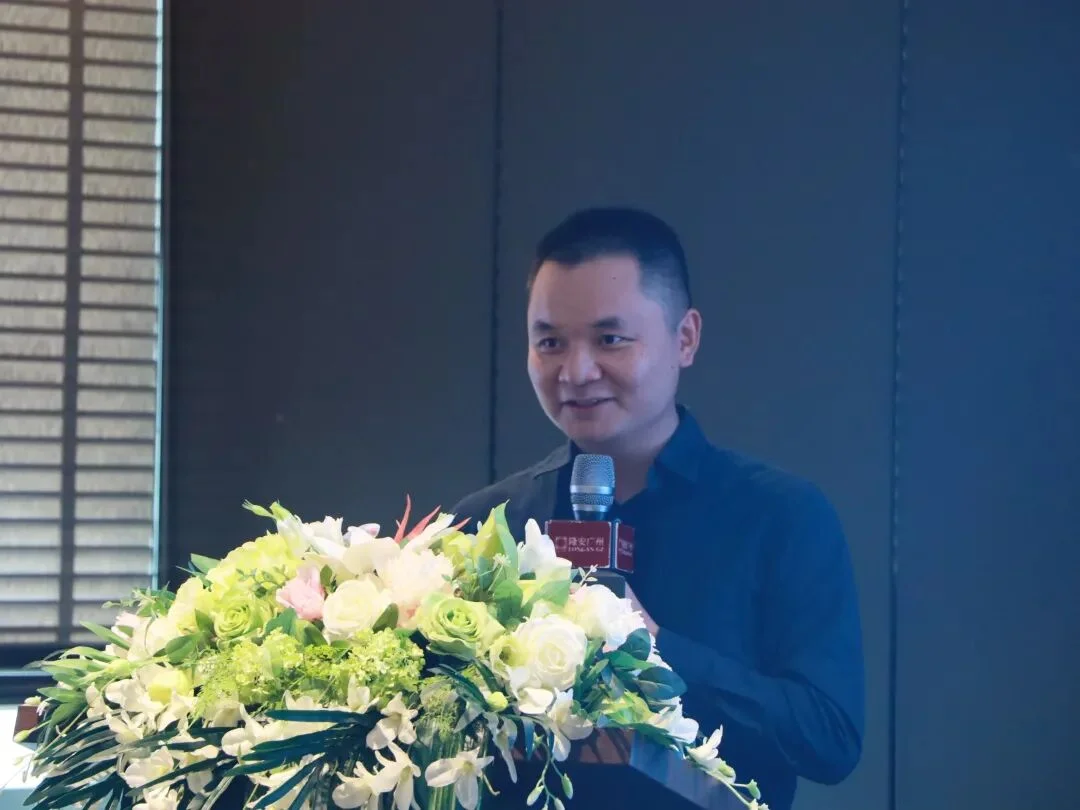
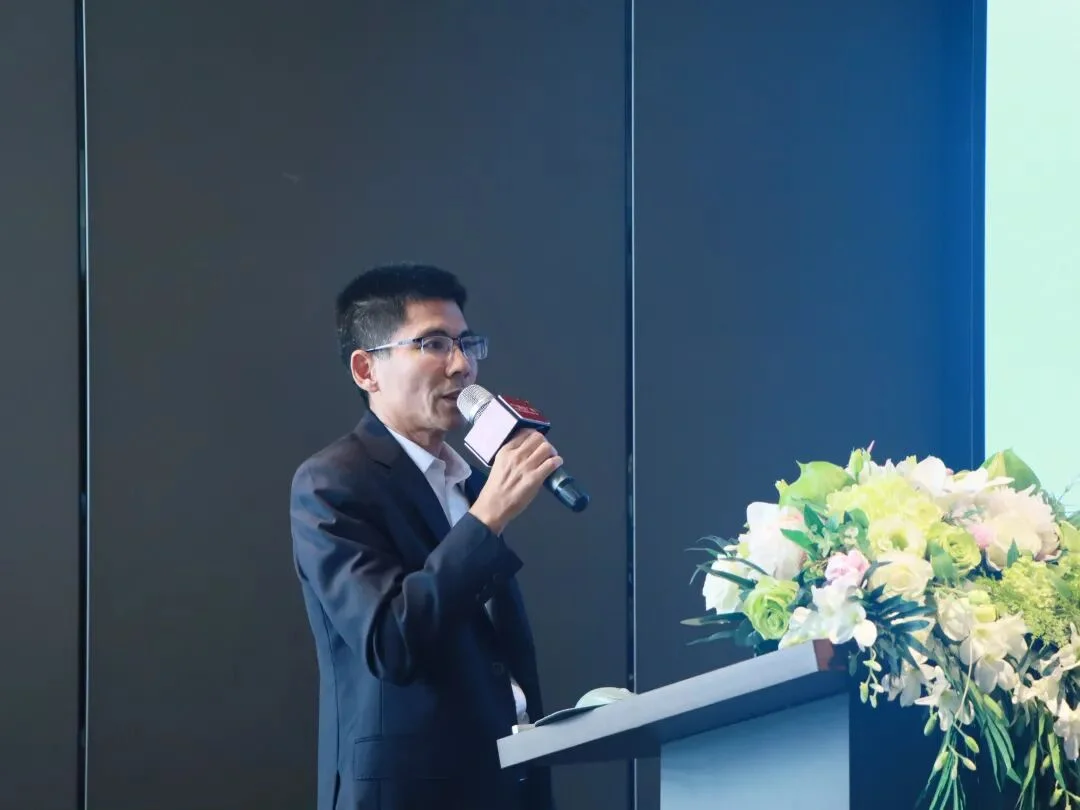 Lawyer Chen Banliang
Senior Partner at Longan Guangzhou, Director of the Longan Bay Legal, Financial, and Taxation Integrated Research Center
Lawyer Chen Banliang, a senior partner at Longan Guangzhou and Director of the Longan Bay Legal, Financial, and Taxation Integrated Research Center, welcomed the attendees warmly in his speech. He pointed out that Longan has long been active in the field of legal, financial, and tax services, and has accumulated rich experience in practical operations such as corporate financial compliance and criminal risk prevention. The Longan Bay Legal, Financial, and Taxation Integrated Research Center currently has many experts in this field serving as advisors or core members, providing comprehensive professional support to enterprises. This special lecture was organized by the Guangzhou Taxpayer Association and the Beijing Longan (Guangzhou) Law Firm. Its purpose is to share methods for managing and addressing tax-related criminal risks in light of problems encountered in financial, tax, and legal operations. He expressed hope for further in-depth discussions in the future.
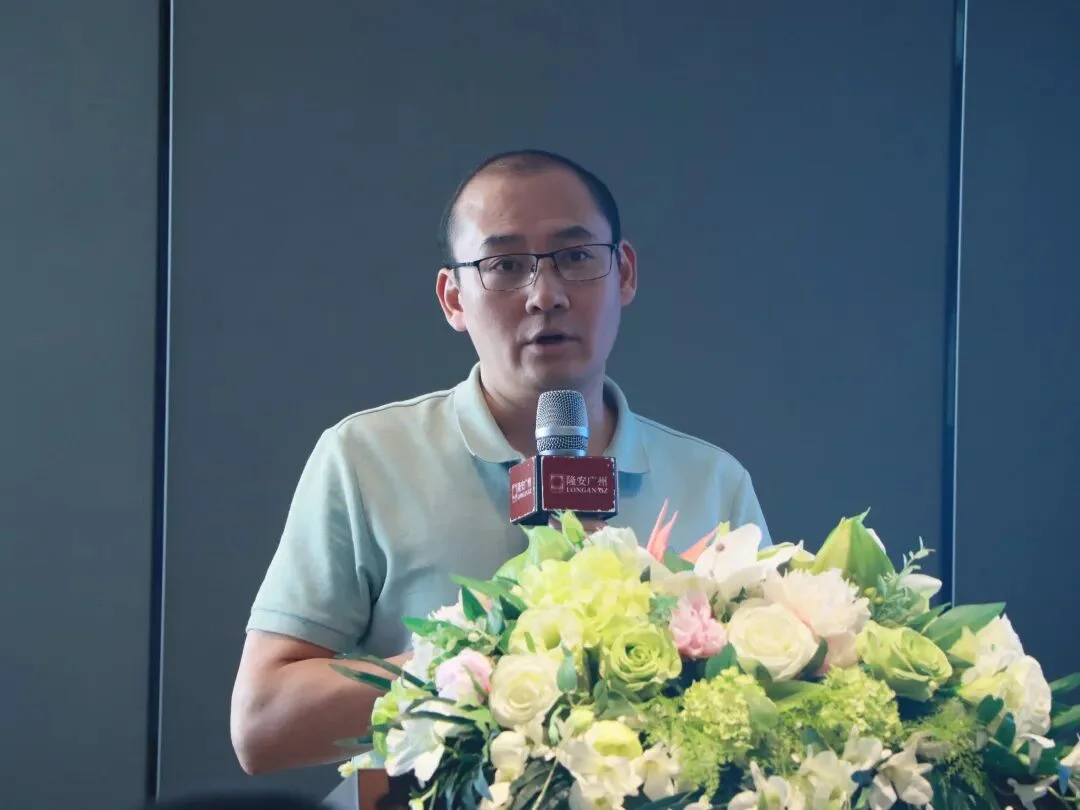 Mr. Liu Yang
Representative of the Guangzhou Taxpayer Association
Mr. Liu Yang, a representative of the Guangzhou Taxpayer Association, expressed his appreciation and gratitude for Longan Guangzhou’s high-quality organization of the event. He said that since its establishment, the Guangzhou Taxpayer Association has focused on serving taxpayers and facilitating communication between taxpayers and enterprises. It has played an important role in improving the tax environment and promoting the healthy development of enterprises. In recent years, through platform building, professional services, and policy guidance, it has effectively promoted positive interactions between taxpayers and enterprises, contributing to improving the tax environment and promoting the high-quality development of enterprises. He said that the association has now achieved a higher level of scale development, and he hopes that it will continue to strengthen communication with all parties and explore new directions for tax-related services.
Special Presentation
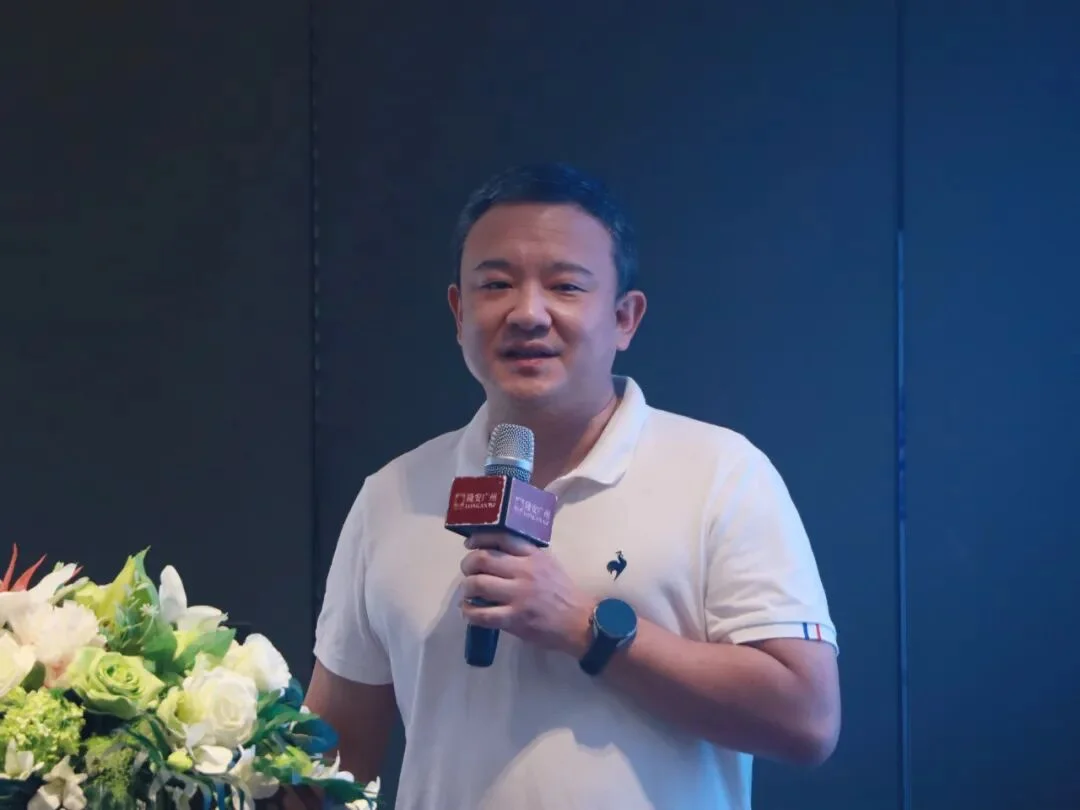 Lawyer Hao Hao
Senior Partner at Longan Guangzhou, Deputy Director of the Longan Bay Legal, Financial, and Taxation Integrated Research Center, and expert from the innovative think tank of the Guangzhou Taxpayer Association
Lawyer Hao Hao began his presentation with his experiences and challenges in handling tax-related criminal cases. He discussed “A Review of the ‘2024 Judicial Interpretations’: New Trends in Tax-related Criminal Justice and New Challenges in Corporate Risk Management.” He started by looking at the historical context, reviewing the unique “tax evasion” and “fraudulent issuance” structure in China’s tax-related criminal system. He evaluated the conceptual shift from “tax evasion” to “tax avoidance” and the progress in legislation. He also explained some classic cases. Next, he focused on the key term “fraudulent input tax credits” in the 2024 judicial interpretations, analyzing the complex relationship between the two main crimes: tax evasion and fraudulent issuance of VAT invoices. He highlighted the differences between the “two high courts” on this issue. Finally, he discussed the current situation and future trends in tax-related criminal justice, and proposed suggestions for enterprises to establish a risk management system in the post-compliance era, based on real cases.
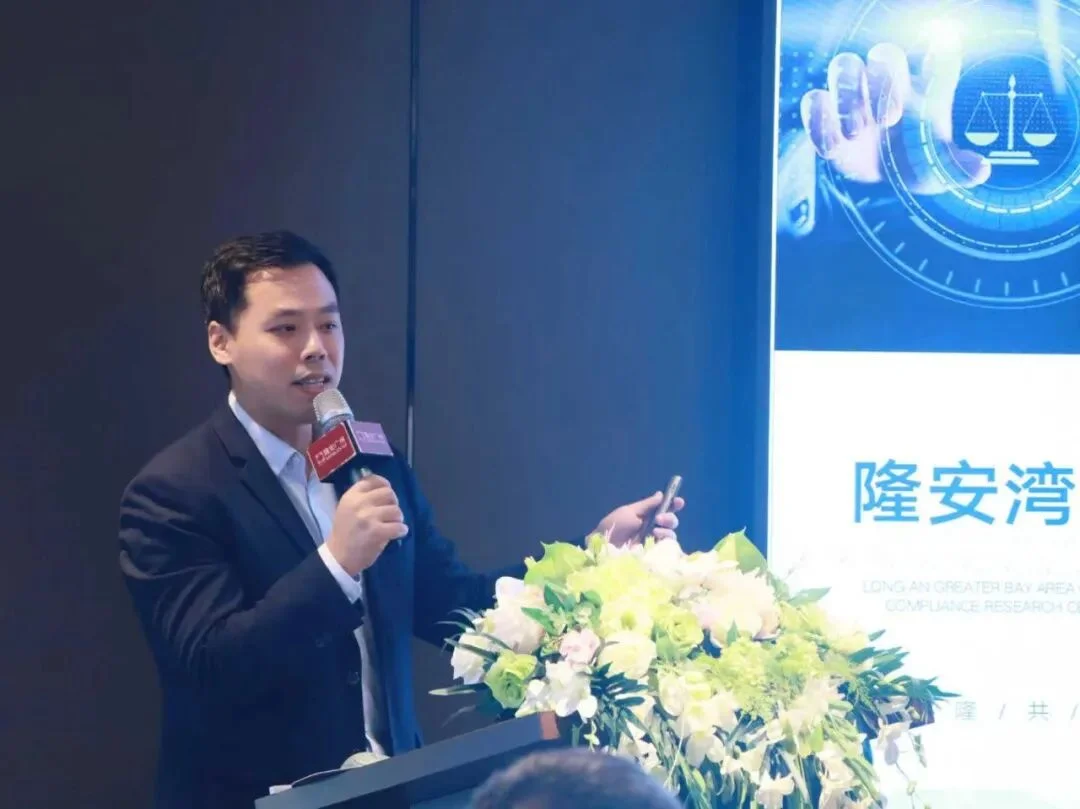
 Lawyer Zhang Jing
Senior Partner at Longan Guangzhou, Director of the Company Law Committee, and Deputy Director of the Tax-related Business Department
Lawyer Zhang Jing discussed “The Risks, Penalties, and Recommendations for Fraudulent Invoicing by Enterprises” from the perspective of the recipient of the invoice. He started by posing questions to provoke thought, then explained the characteristics of fraudulent activities, analyzed them in detail using specific cases, and provided insights for enterprise management. He also divided different types of fraudulent invoicing, focusing on the legal status of the recipient, and categorized them into “malicious, good-faith, and neither good nor malicious.” He offered solutions for the scenarios encountered by the recipient. During the presentation, he used real cases to illustrate the legal reasoning for fraudulent invoicing. Finally, he focused on risk management, providing recommendations for “prevention, during, and after” situations.
 Lawyer Luo Jie
Senior Partner at Longan Guangzhou, Deputy Director and Secretary-General of the Longan Bay Criminal Prevention and Control Research Center
Lawyer Luo Jie discussed “Risk Management in Tax-related Criminal Cases” by focusing on the crime of fraudulently obtaining export tax rebates. He started with an overview and legal provisions for this crime, clarifying its elements and legal boundaries. Then, he analyzed three common scenarios of fraudulently obtaining export tax rebates using cases. For the “payment for tickets” scenario, he described typical cases he handled, analyzing the legal reasoning and the division of criminal responsibility among parties. For “highly valued but undervalued” cases, he explained the standards used in judicial practice and the key factors determining whether such cases constitute tax fraud. In the “excess tickets” scenario, he explained the legal provisions clearly, showing why such actions pose significant criminal risks. Finally, he provided practical recommendations for compliance and risk management for enterprises.

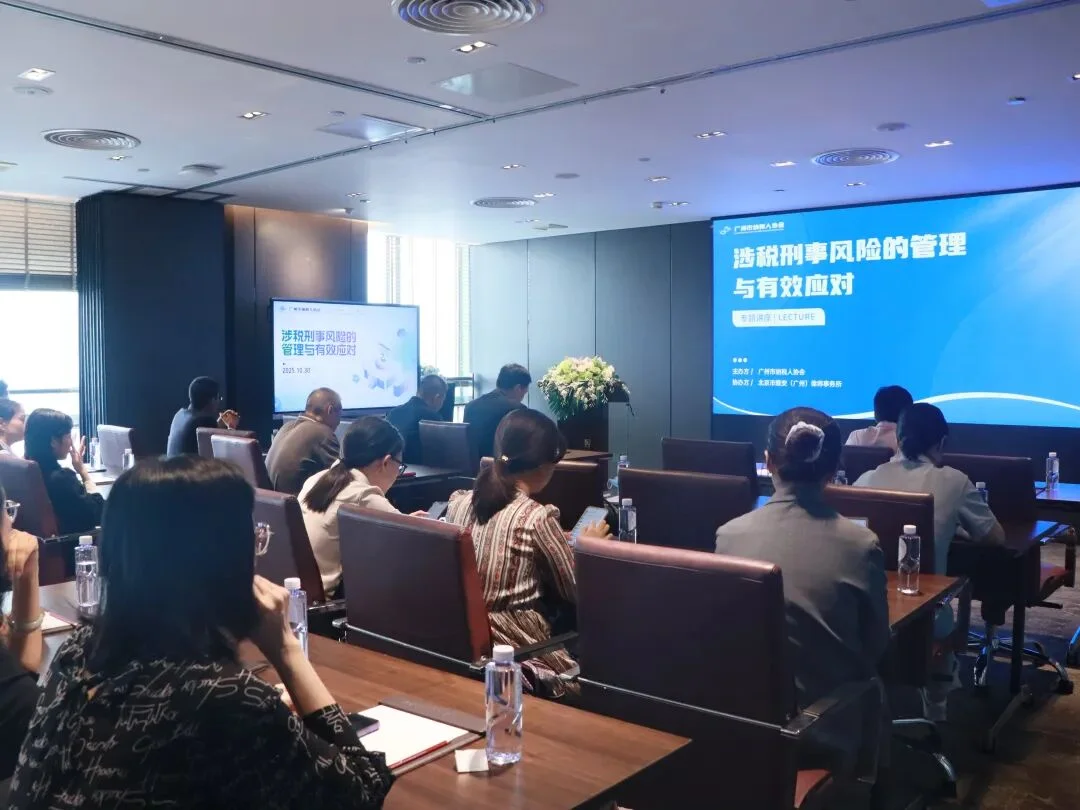
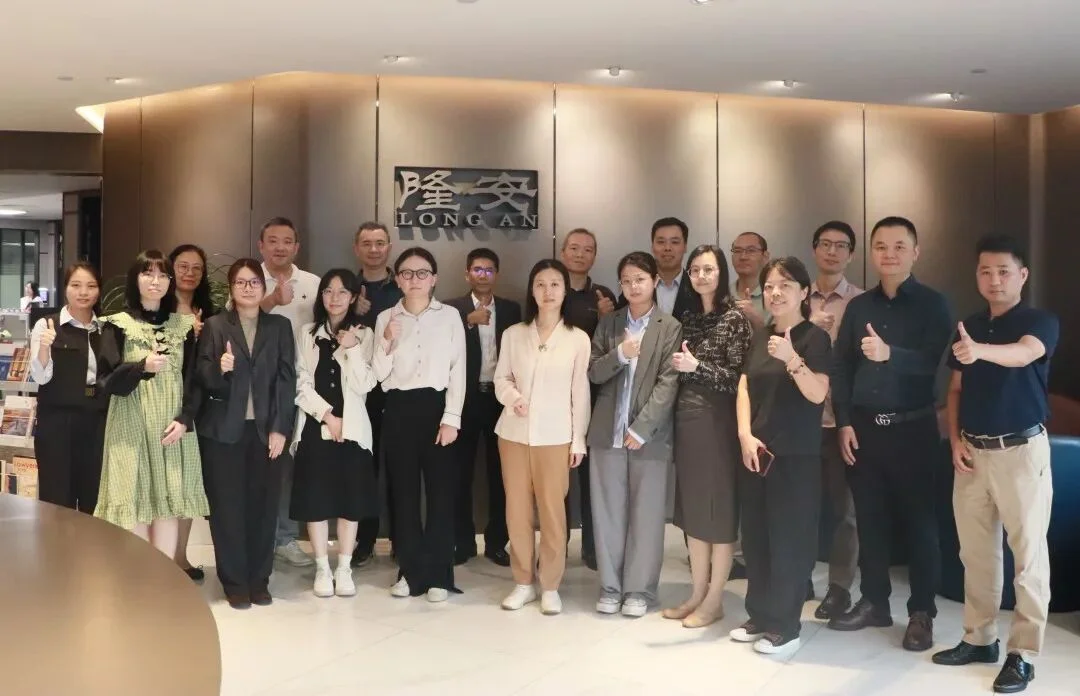 This special lecture focused on the judicial trends in tax-related criminal cases and the practical aspects of fraudulent issuance of VAT invoices, tax evasion, and fraudulently obtaining export tax rebates. It demonstrated Longan’s deep expertise in legal, financial, and tax services. In the future, Longan Guangzhou will continue to enhance its professional capabilities in identifying and managing tax-related criminal risks, providing more targeted and practical solutions for enterprises to operate legally and sustainably under strict tax regulations.