
On March 13, Longan (Guangzhou) Law Firm in Beijing successfully held the fourth “Classic Case Seminar”. This event was conducted with the original intention of “deeply engaging in legal practice, sharing practical experience, and improving service quality”. Three experienced lawyers in the field of criminal law were specially invited—Lawyer Zhou Junwei, Director of Longan Guangzhou and Senior Partner, Lawyer Peng Limin and Lawyer Ren Chao, Senior Partners of Longan Guangzhou—to discuss hot and difficult issues such as cross-border crimes, conflicts in criminal law, and sentencing defense, using typical practical cases for in-depth sharing of criminal cases. The event was hosted by Hu Ziyi, and many lawyers gathered at the scene to explore practical challenges and discuss professional growth together.
 Hu Ziyi
Host of the event
At the beginning of the event, host Hu Ziyi introduced the participants and welcomed them warmly. She mentioned that three outstanding lawyers in the field of criminal law were specially invited for this seminar. They would share their defense strategies and case-handling techniques based on the typical cases they handled. It was hoped that all participants could learn from each other through this platform, spark ideas, and gain practical experience and professional wisdom to improve their criminal defense capabilities.
Keywords
Cross-border corporate crimes
 Lawyer Zhou Junwei
Director of Longan Guangzhou, Senior Partner
Deputy Director of the Criminal Professional Committee on Smuggling Crimes of the Guangzhou Lawyers Association
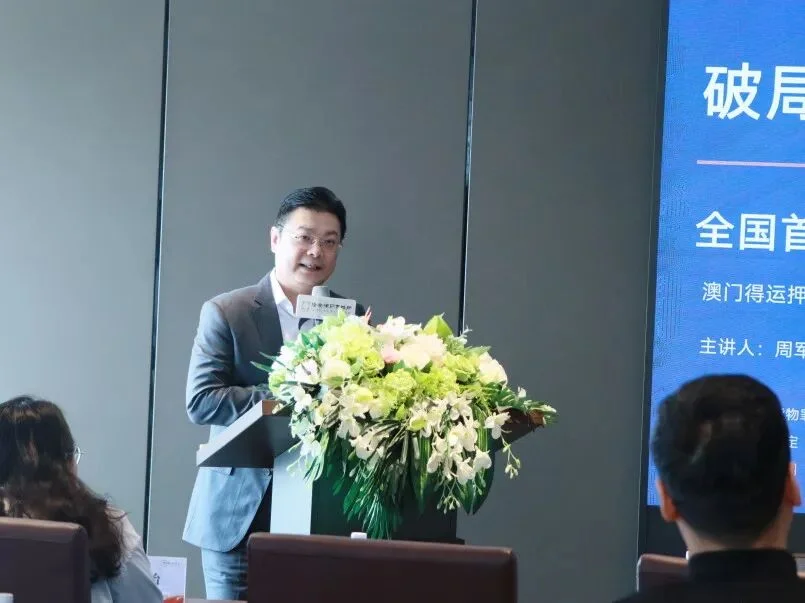
Lawyer Zhou Junwei shared on the topic of “Breaking through cross-border corporate crimes: A record of defense in a smuggling case involving a Macau enterprise”. This was the first case where a Macau enterprise was identified as a corporate entity in the Chinese mainland. During the pandemic, a pawnshop in Macau, due to operational difficulties, had its employees transport goods from Macau to Zhuhai for mailing, thereby being accused of smuggling. Lawyer Zhou focused on the four main challenges in defending this case, including the determination of the criminal entity’s status, the incomplete evidence chain for the value of the goods involved, the special form of cross-border evidence determination, and cognitive biases arising from the differences in legal systems between Guangdong, Hong Kong, and Macau. He also detailed the “four-dimensional defense system” developed by the defense team: determination of corporate entity crimes, defense based on insufficient evidence, determination of the status of an accessory, and leniency due to acceptance of guilt and punishment. With the evidence submitted, the prosecution ultimately accepted the team’s opinions, and the case was prosecuted as a corporate crime, with a recommendation for a suspended sentence for the defendant, as well as a successful case where no prosecution was carried out. These defense strategies also set a new standard for similar cross-border corporate crime cases.
Keywords
Handling of concurrent offenders
 Lawyer Peng Limin
Senior Partner of Longan Guangzhou
Senior Expert Advisor at the Longan Bay Criminal Prevention and Control Research Center
Lawyer Peng Limin shared on the topic of “Handling of concurrent offenders—Yu was accused of bid rigging”. First, he introduced the background of the case. Yu had been sentenced to 8 years in prison for accepting bribes, and later accused of bid rigging, involving multiple bid rigging cases. He then focused on the core issues, namely the characterization of the bribe-taking act as a crime and the determination of the number of offenses, pointing out the difficulties in applying judicial interpretations, as well as the legal obstacles in combining bribery and bid rigging offenses. He also proposed key defense viewpoints, stating that in bribe-taking, the act of seeking benefits and accepting bribes are the same, and cannot be punished for multiple offenses. Yu did not meet the requirements for bid rigging, and no such actions were carried out. Eventually, the prosecution was withdrawn after the trial, and no prosecution was filed.
Keywords
Sentencing defense
 Lawyer Ren Chao
Senior Partner of Longan Guangzhou
Director of the Longan Bay Enforcement Law Research Center
Lawyer Ren Chao shared on the topic of “A brief discussion on sentencing defense—sharing defense strategies in pyramid scheme cases”. He introduced a large-scale pyramid scheme case, where due to thorough investigation, the parties admitted guilt, and the evidence was sufficient. There was no room for defense of innocence or minor offenses, so the prosecution recommended a sentence of 10-12 years for Zhou. Lawyer Ren then outlined his core defense strategy: through sentencing calculations, reference to similar cases, re-evaluation of the amount involved, applying for exemption from penalties, and identifying lenient sentencing factors to counter harsh penalties. He also focused on defense of property penalties. Eventually, the court accepted the defense arguments, and Zhou was sentenced to 5 years and 3 months in prison with a fine. Some of his spouse’s funds and property were also released. In conclusion, Lawyer Ren said that in sentencing defense for pyramid scheme cases, standardized and detailed calculations are necessary, and all sentencing factors should be fully utilized, while also emphasizing the importance of defense of property penalties.

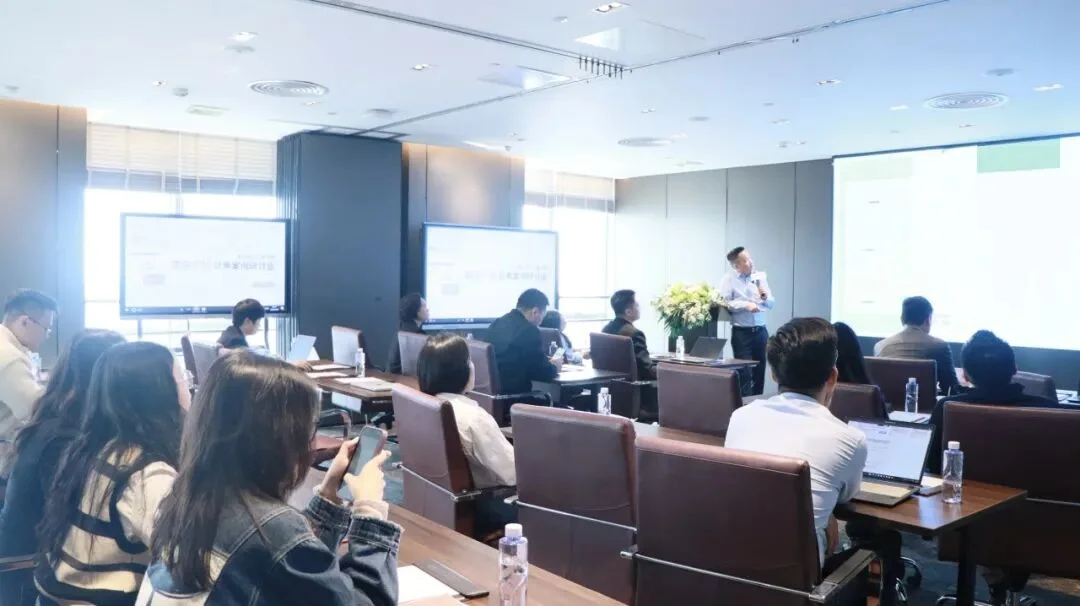 The successful holding of this fourth “Classic Case Seminar” is a vivid example of Longan Guangzhou’s continuous focus on criminal defense and its commitment to professional development. It also enhances the value and professional benefits of this series of case seminars. In the future, Longan Guangzhou will continue to organize regular case seminars, focusing on various legal areas such as criminal, civil, and commercial law, to expand the scope of exchange and promote the professional development of the firm. At the same time, Longan Guangzhou will always adhere to the core values of “making excellence a habit and service a belief”, continuously improving the quality of legal services to provide more professional, efficient, and accurate legal services to clients.