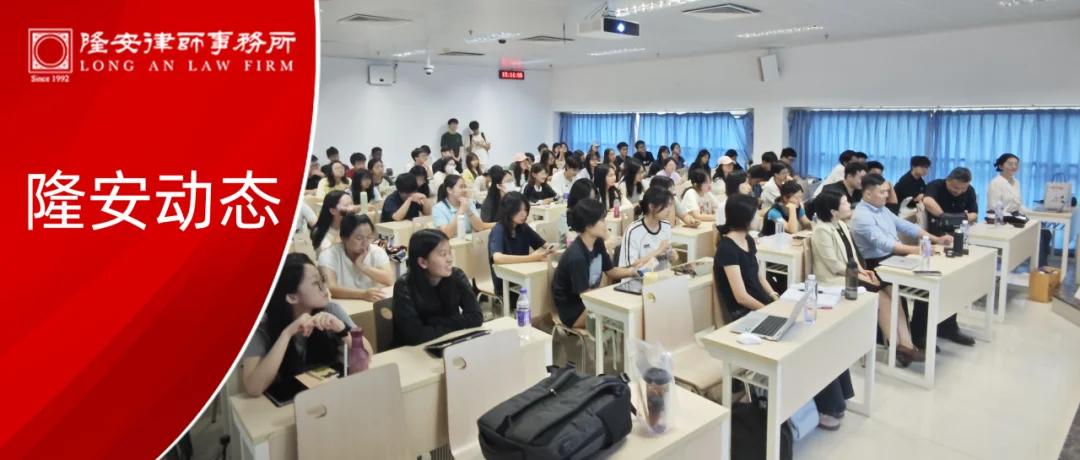
Recently, Lawyer Hao Hao, a senior partner at Longan Guangzhou and deputy director of the Longan Bay Area Legal, Financial and Taxation Integration Research Center, and Lawyer Li Dingbang, deputy head of the Longan Guangzhou Marriage, Family and Wealth Management Department and deputy director and secretary-general of the Longan Bay Area Legal, Financial and Taxation Integration Research Center, were invited to attend the “Qingwu Court” advanced practical lecture and serve as the main speaker. The lecture was held at the Panyu campus of Jinan University, and over 80 participants attended, including undergraduate and postgraduate students, students from Hong Kong and Macao, overseas Chinese students, international students, and graduates.

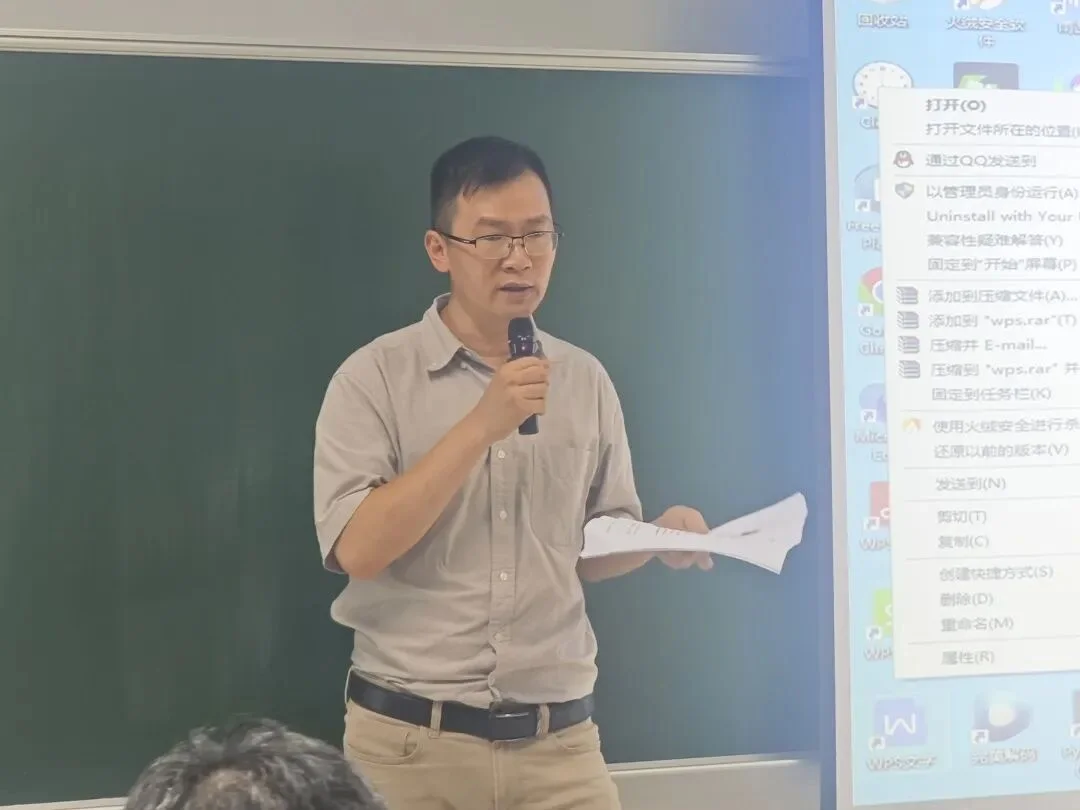
Associate Professor Zhao Zile, a Ph.D. in Economics and from the School of International Relations/Research Institute of Overseas Chinese at Jinan University, presided over the lecture. Professor Zhao pointed out that integrating the “Principles of Economics” course with legal and business practices is an innovative teaching method. The wealth management of private entrepreneurs is an important part of the economic cycle. It is recommended to understand this from a cross-disciplinary perspective. We need to recognize both the concerns of private entrepreneurs regarding property rights protection during the transition phase of institutional changes, as well as their difficulties in corporate governance and asset allocation during wealth inheritance. It is also important to understand that the legal environment is a key factor for attracting private capital in many countries/regions, and that the industrial environment and international relations also affect investment returns and thus wealth allocation. The integration of economics, law, and international relations is essential.
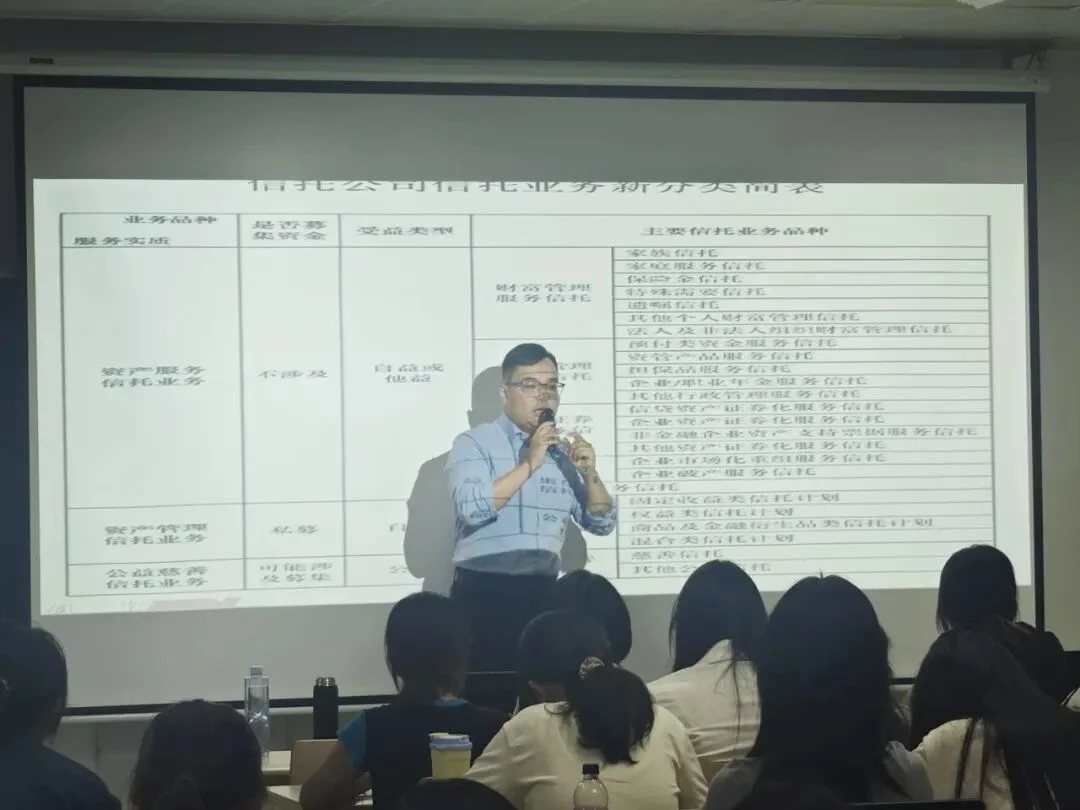
Lawyer Li Dingbang
Deputy head of the Longan Guangzhou Marriage, Family and Wealth Management Department and deputy director and secretary-general of the Longan Bay Area Legal, Financial and Taxation Integration Research Center
Lawyer Li Dingbang shared his insights on “Entrepreneurial Spirit and Family Inheritance in the Eyes of Chinese Lawyers”. First, he explained his understanding of the entrepreneurial spirit and used real cases from his practice to analyze the common legal risks faced by entrepreneurs. He also focused on legal practices such as the rules of proxy holding and the legal responsibilities of directors and supervisors, and analyzed key provisions in the Law on Promoting the Private Economy, especially those related to the protection of the rights of private entrepreneurs. Then, regarding the topic of family inheritance, Lawyer Li pointed out the current wealth situation and inheritance crises of entrepreneurs, and used classic cases of family inheritance crises to highlight misunderstandings in family inheritance. He then focused on the actual effectiveness of wills and trusts, combining relevant legal provisions and his own experience to share how existing trust tools and corporate structures can be used to effectively carry out family inheritance. Finally, Lawyer Li conducted a lively simulation test based on real entrepreneurial scenarios, and the students participated in thinking and interaction, further enhancing their understanding of the meaning of “both internal and external development” for entrepreneurs. From a professional perspective, he encouraged contemporary Chinese entrepreneurs to actively promote the entrepreneurial spirit according to the latest laws and policies, and to carry out family inheritance based on their own circumstances. These are the two most urgent matters for Chinese entrepreneurs today. The ultimate goal is to achieve both internal and external development in the process of Chinese modernization.
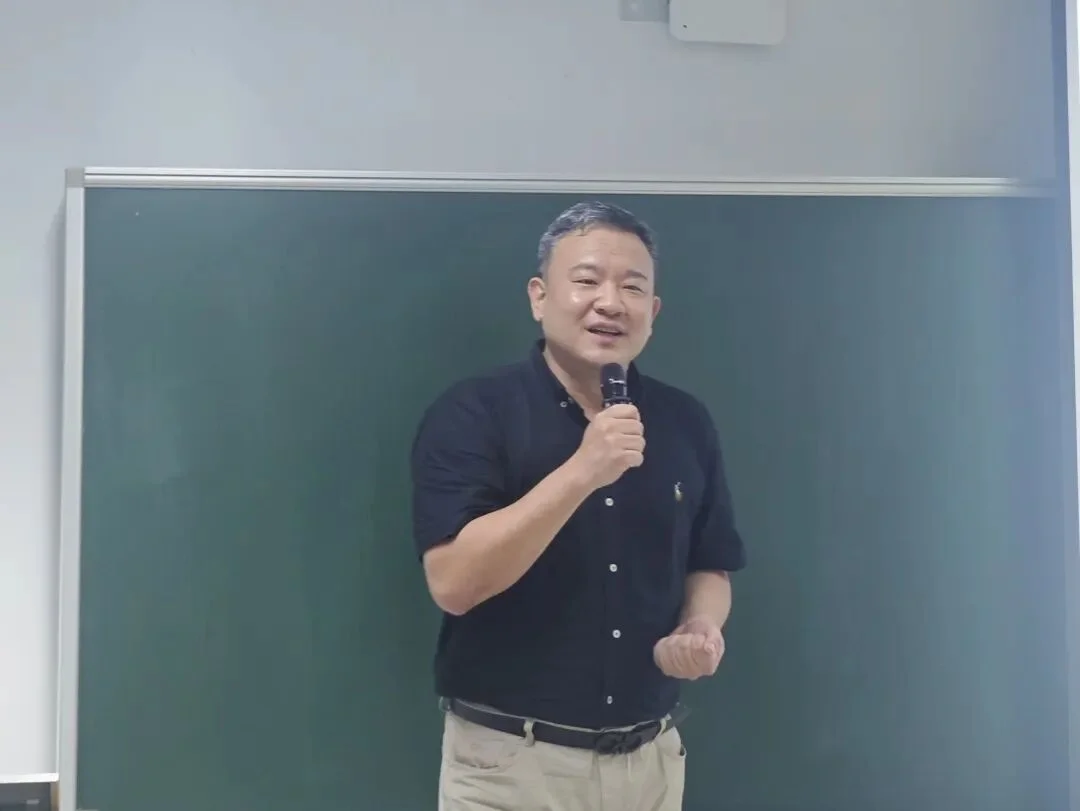
Lawyer Hao Hao
Senior partner at Longan Guangzhou and deputy director of the Longan Bay Area Legal, Financial and Taxation Integration Research Center
Lawyer Hao Hao shared his insights on “Criminal Risk Management for Entrepreneurs at the Time of the Entry into Force of the Law on Promoting the Private Economy”. First, Lawyer Hao gave a brief introduction to the newly enacted “Law on Promoting the Private Economy of the People’s Republic of China”, and analyzed its structure and key provisions. Then, using cases handled by his team, typical examples, and statistical data on criminal risks for entrepreneurs, Lawyer Hao explained the common criminal risk scenarios, charges, and judicial standards for private entrepreneurs. He also emphasized the importance of compliance awareness, evidence management, and professional support in criminal rights protection, crisis management, and criminal defense. Lawyer Hao believes that the term “private economy” is not a strict legal concept, but its significant policy implications are undeniable. The high expectations for the new law reflect the psychological state and public sentiment of a particular period. The Law on Promoting the Private Economy is a vivid example of policy legalization in China. From its functional roles as a “basic law”, “promotion law”, and “advocacy law”, it is indeed a milestone.
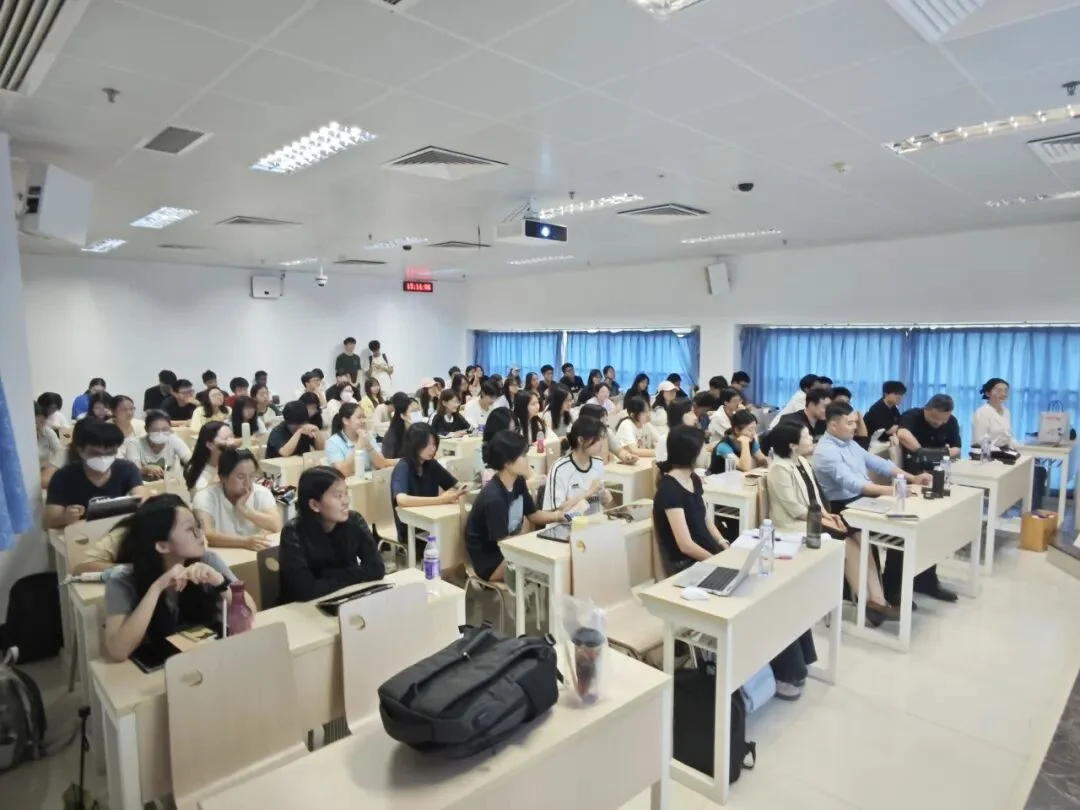
After the special lecture, Lawyer Hao Hao and Lawyer Li Dingbang answered the questions raised by the students. Associate Professor Zhao Zile said that both lawyers demonstrated high-level professional skills and expertise, and their sharing was very inspiring for the faculty and students of the School of International Relations/Research Institute of Overseas Chinese. Professor Zhao added that choosing a country/region for wealth allocation depends not only on current legal systems but also on the legal trends over the next twenty or thirty years. This is a question that international politics needs to address. In the context of profound changes in the global political and economic landscape, the direction of international migration by high-net-worth individuals is closely related to ethnic politics, class politics, and international relations. As a leading institution for research on overseas Chinese in China and a major center for international political studies, this university has a broad role to play in applying knowledge to society.
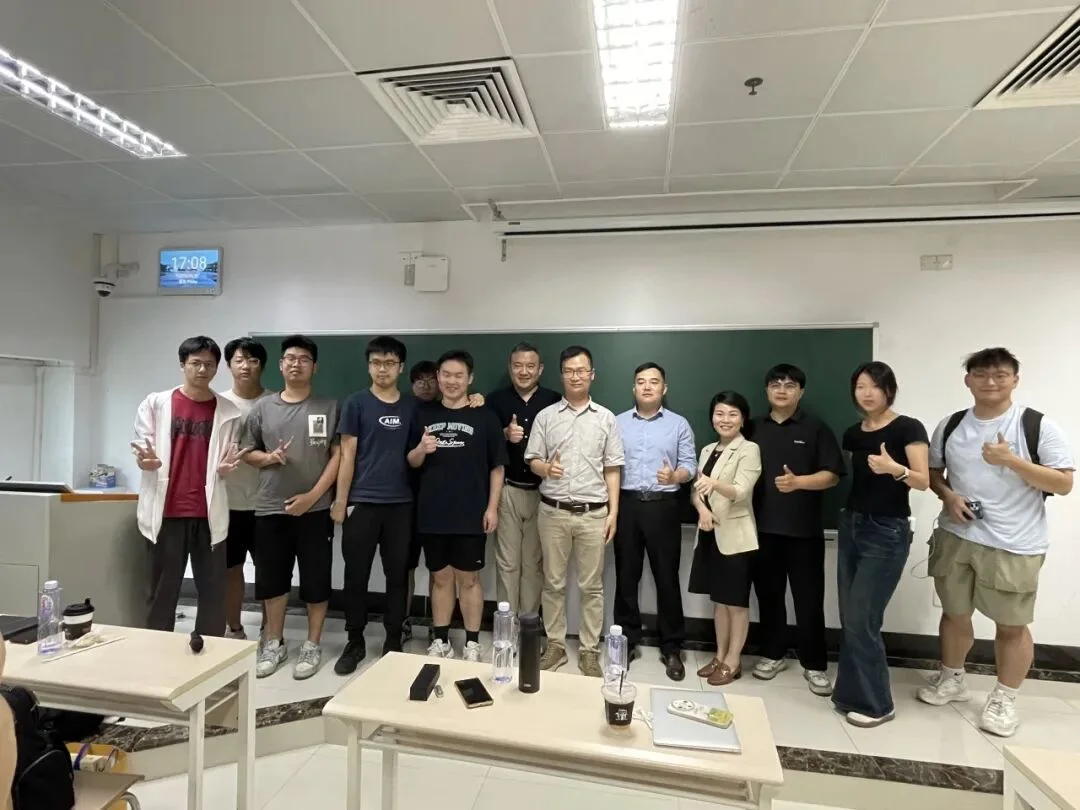
The “Qingwu Court” advanced practical lecture aims to promote deep communication between academia and practice, and to build a stable bridge between China and foreign countries. By focusing on the research of wealth creation, management, and inheritance, it integrates law, economics, management, accounting, and humanities, providing a unique platform for outstanding families, households, and individuals. This will help achieve sustainable growth in spirit and wealth during the process of Chinese modernization. This event not only shows the full recognition of the professional capabilities of Longan lawyers by universities, but also marks the official launch of the “Professional Class in Campus Series Activities” of the Longan Bay Area Legal, Financial and Taxation Integration Research Center. In the future, Longan Guangzhou will continue to explore and innovate, and work with more excellent enterprises and entrepreneurs to contribute to the healthy development of the private economy and the healthy growth of private entrepreneurs.
Profile of the Lawyer
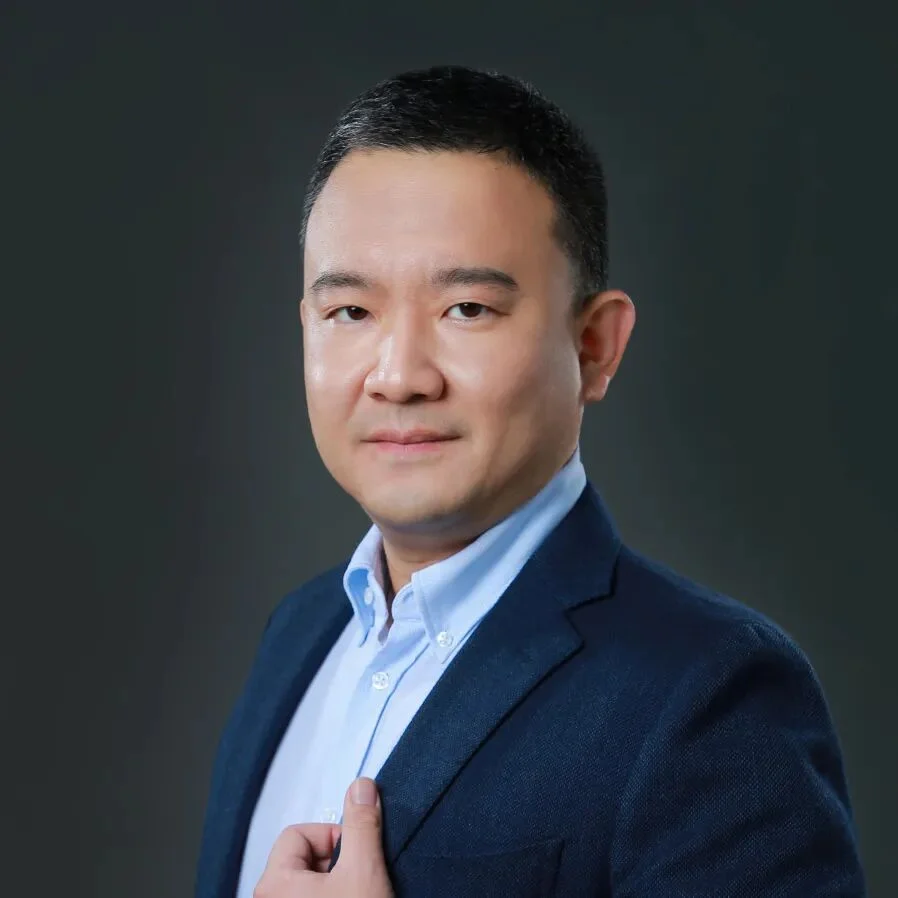
Lawyer Hao Hao
Lawyer Hao Hao graduated from Sun Yat-sen University and is currently a senior partner at Beijing Longan (Guangzhou) Law Firm, deputy director of the Longan Bay Area Legal, Financial and Taxation Integration Research Center, an expert in the evaluation of tender documents for the information technology projects of the Hengqin Guangdong-Macao Deep Cooperation Zone of the Guangdong Provincial Government, an expert in the innovative think tank of the Guangzhou Taxpayer Association, an expert in legal promotion at the Guangzhou Federation of Industry and Commerce, founder and leader of the Dishi Legal Team, and holds the qualification for board secretary of a listed company on the Shenzhen Stock Exchange. Lawyer Hao has worked in public security political research and economic investigation departments for 10 years, and is familiar with the operating mechanisms of these departments. He has extensive experience in political and legal work, judicial practice, and handling commercial criminal cases. He has long focused on criminal complaints and defenses, tax risk management, and family wealth management and inheritance. He has successfully handled many complex and difficult cases involving criminal and civil matters, and has earned widespread trust and praise from clients for his professional abilities and honest, steady, and practical approach.

Lawyer Li Dingbang
Lawyer Li Dingbang is deputy head of the Longan Guangzhou Marriage, Family and Wealth Management Department, deputy director and secretary-general of the Longan Bay Area Legal, Financial and Taxation Integration Research Center, member of the Legislative Advisory Committee of the Hainan Provincial People’s Congress Standing Committee, external tutor at the Law School of Guangdong University of Foreign Studies, member of the research team for foundation and charitable trusts at the Guangzhou Civil Affairs Bureau, deputy secretary-general of the Liwan Area Popular Music Association in Guangzhou, permanent director of the Guangzhou Public Welfare Financial Innovation Center, and member of the Academic Committee of the Chinese Will Bank.
He graduated from China University of Political Science and Law with a master’s degree in civil and commercial law. He participated in the formulation of the general provisions and guarantee system interpretations of the Civil Code, and also studied at Columbia University Law School. He received many awards at national doctoral forums on civil and commercial law and at the Hubei Civil Law Research Association. He has published more than ten papers on related topics in academic and practical journals such as “Tsinghua Legal Review”, “Guangdong Lawyers”, and “Insurance Theory and Practice”. He completed the second session of the Guangdong Guangdong-Hong Kong-Macao Greater Bay Area foreign lawyer training program, and received the “Outstanding Debater” award in a mock arbitration competition and the first prize in English document writing.