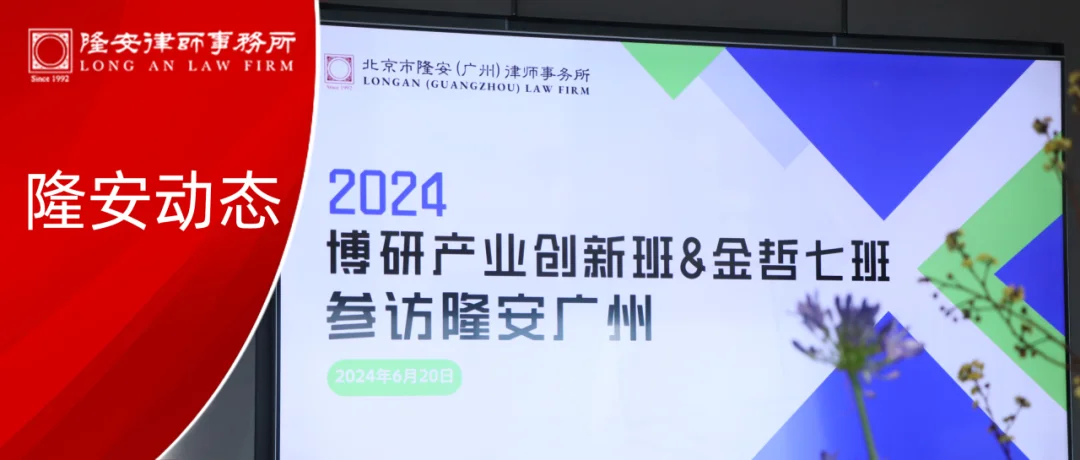
June 20th, the Bo Yan Business School Industry Innovation Class & Jin Zheqi Class visited Longan Guangzhou for a visit and exchange, and participated in a special sharing session in the afternoon. This event was led by Lawyer Wang Baoxin, Deputy Director of the Longan Bay Commercial Arbitration Research Center and Senior Partner in Longan Guangzhou, and Lawyer Zhang Jing, Senior Partner in Longan Guangzhou and Director of the Company Law Special Committee.
At the beginning of the event, under the guidance of Lawyer Wang Baoxin, the participants toured the office environment of Longan Guangzhou Law Firm. From the modern design of the reception area to the professional layout of the office area, and up to the high-end facilities in the meeting rooms, the participants gained a preliminary understanding of Longan Guangzhou Law Firm.
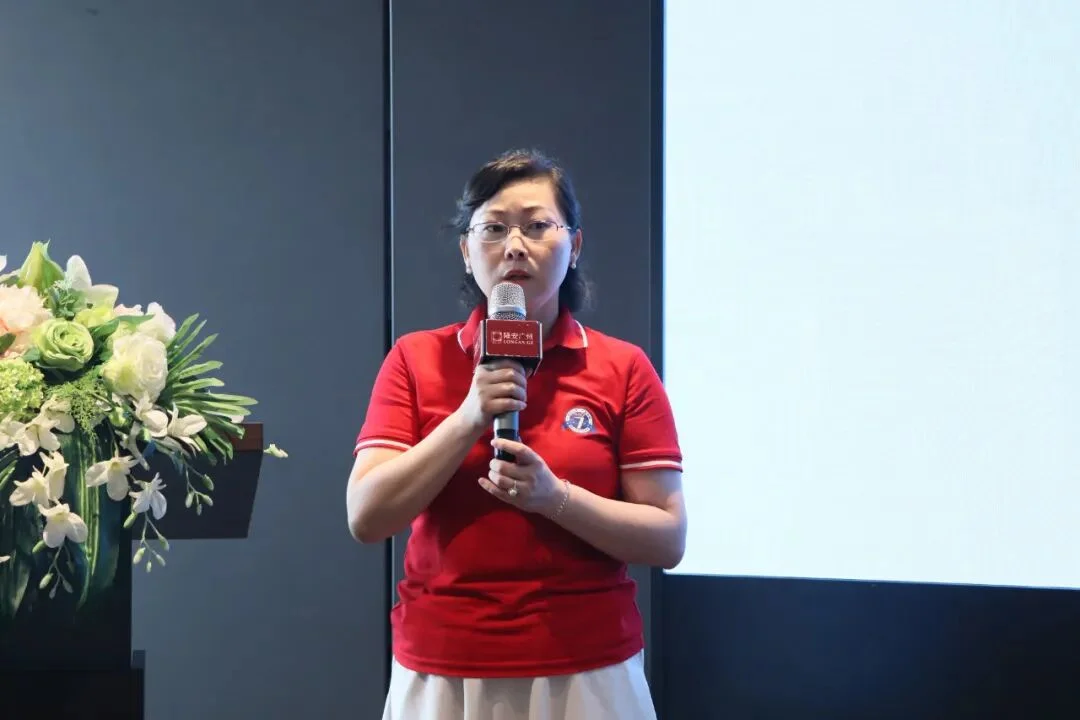 Dean Song Xiaoying
Executive Dean of the Industry College of Bo Yan Business School
During the special sharing session, Dean Song Xiaoying, Executive Dean of the Industry College of Bo Yan Business School, delivered a speech first. Dean Song said that this event was a social gathering for the Industry Innovation Class & Jin Zheqi Class. She hoped that through this event, friendships among the students could be strengthened, and she also thanked Beijing Longan (Guangzhou) Law Firm and Lawyer Wang Baoxin for their support in this visit and exchange activity.
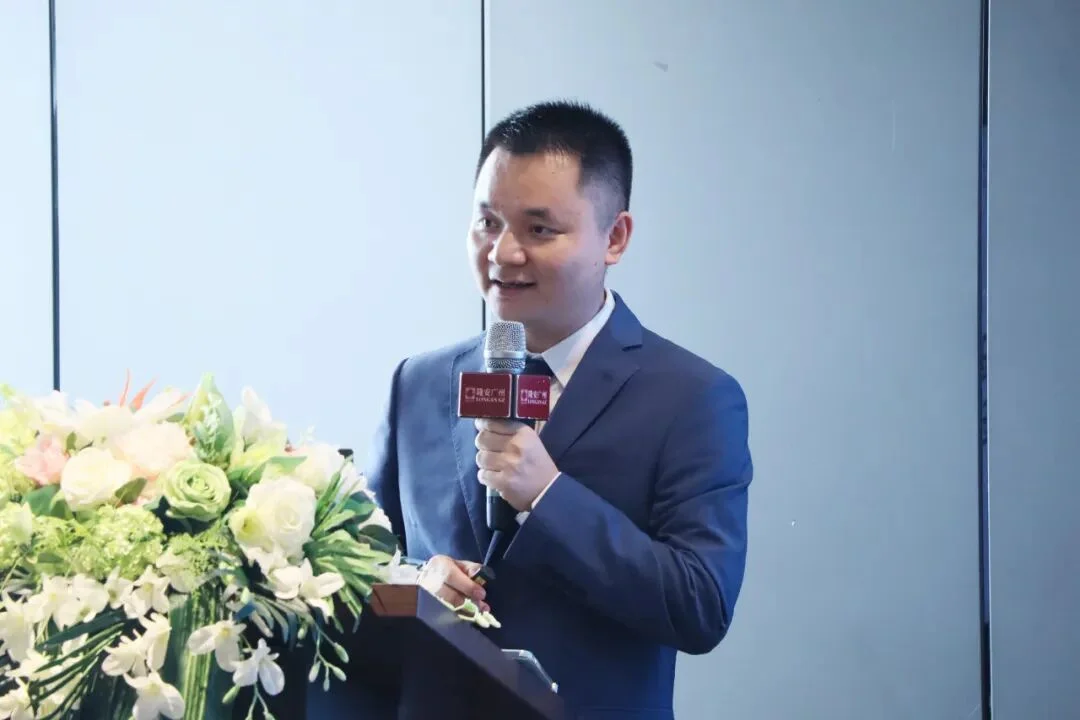 Lawyer Zhang Jing
Senior Partner in Longan Guangzhou and Director of the Company Law Special Committee
Lawyer Zhang Jing shared on “The Equity Structure Design of Entrepreneurs under the New Company Law”. By analyzing two cases of equity structure, Lawyer Zhang pointed out the potential harms of equal equity distribution, such as low decision-making efficiency at critical moments and the risk of corporate deadlock; shareholders sharing equity may lead to a “free-riding” mentality among shareholders; issues like unfair equity distribution and inability to raise financing. Lawyer Zhang noted that under the new Company Law, joint-stock companies can stipulate different rights for the same shares in their articles of association.
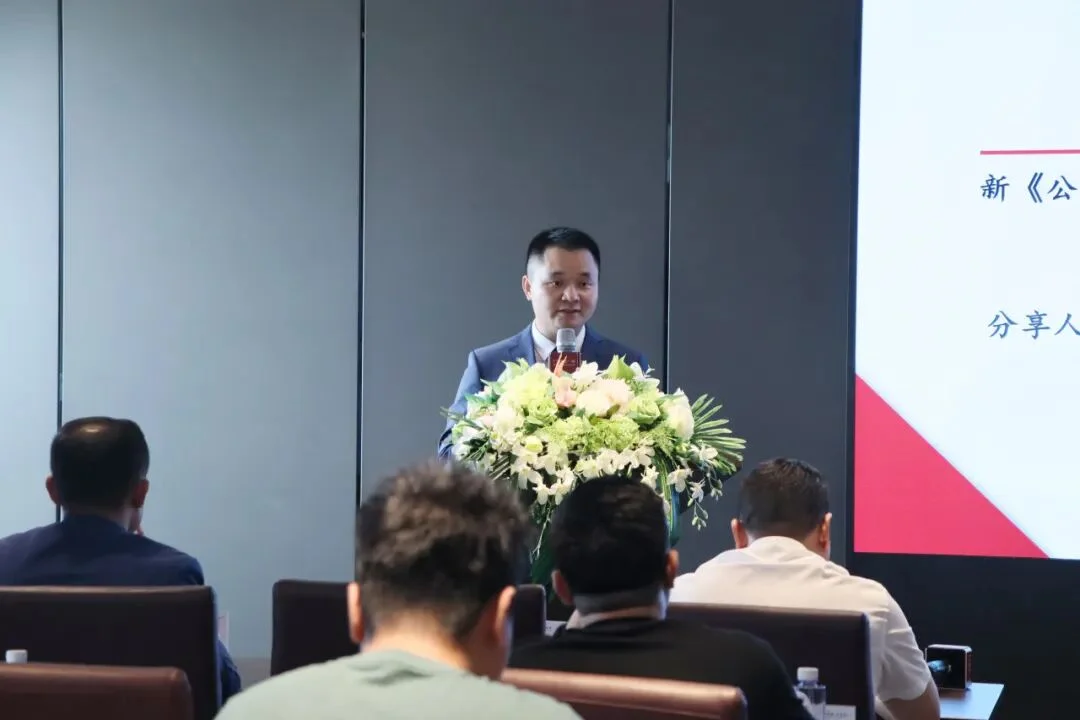 Subsequently, Lawyer Zhang analyzed the issue of capital contribution under the new Company Law. The revision of the 2024 new Company Law has accelerated the deadline for shareholders to contribute capital. In addition to reducing capital through dissolution, intellectual property can also be used as capital contribution. However, Lawyer Zhang reminded that using intellectual property for capital contribution involves tax risks, and not all intellectual property investments can be tax-deferred. Then, Lawyer Zhang specifically analyzed the considerations when a company introduces other shareholders. Starting from the legal risks that the right to know of shareholders may bring under the new Company Law, Lawyer Zhang suggested that resource shareholders and employee shareholders can hold shares through a holding platform, while optimizing the structure of resource shareholders and employee shareholding. Lawyer Zhang then analyzed in detail how to grant equity to resource shareholders, how to grant equity to technical talents, and the impact of the fiduciary and diligent obligations of directors, supervisors, and senior management on company shareholders. Finally, Lawyer Zhang used a case to demonstrate the ideas for equity structure design in family wealth inheritance.
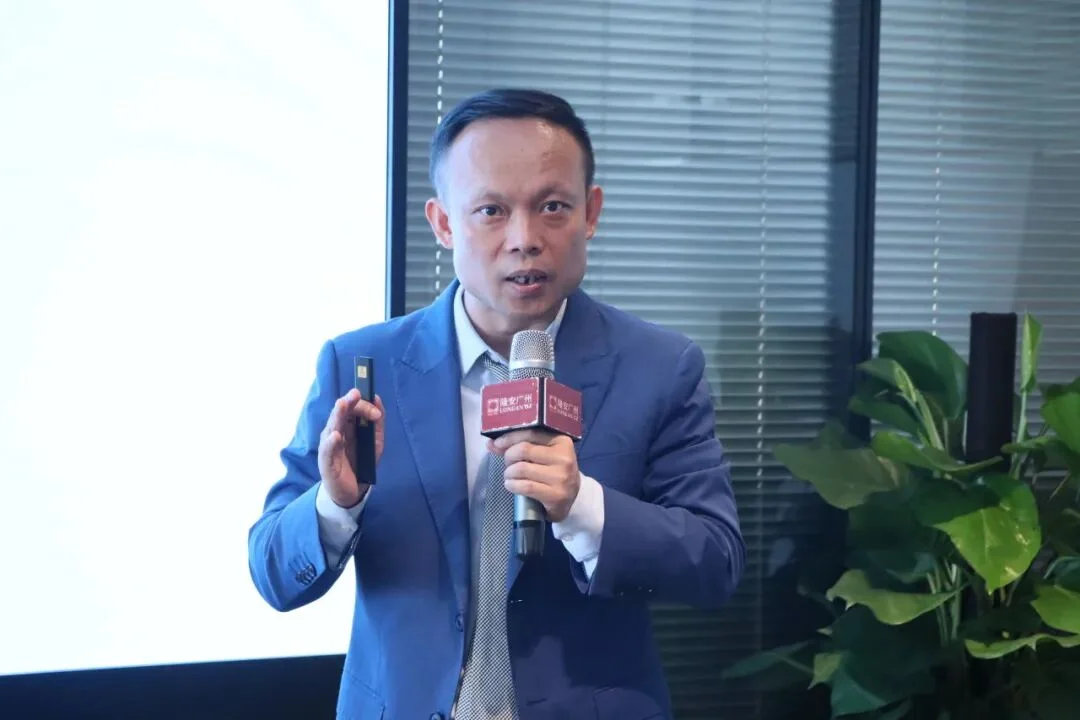 Lawyer Wang Baoxin
Deputy Director of the Longan Bay Commercial Arbitration Research Center and Senior Partner in Longan Guangzhou
Lawyer Wang Baoxin shared on the theme of “The Advantages and Application of Commercial Arbitration”. First, Lawyer Wang outlined the history and characteristics of commercial arbitration. He explained that the character “zhong” means “person” and “center”, so arbitration refers to a person who acts as a mediator. Lawyer Wang mentioned that arbitration originated in ancient Greece and was used in Mediterranean and age of exploration to resolve international trade disputes and even territorial disputes between countries. So far, there are more than 270 arbitration institutions in China. Then, Lawyer Wang outlined the conditions for becoming an arbitrator and suggested choosing an appropriate arbitration institution based on case volume, amount involved, and minimum fees. In current judicial practice, arbitration and court litigation coexist, giving parties the choice of option. Compared with court litigation, arbitration has the characteristics of autonomy of will, finality of one-instance decision, territoriality beyond jurisdiction, confidentiality, enforceability, and independence.
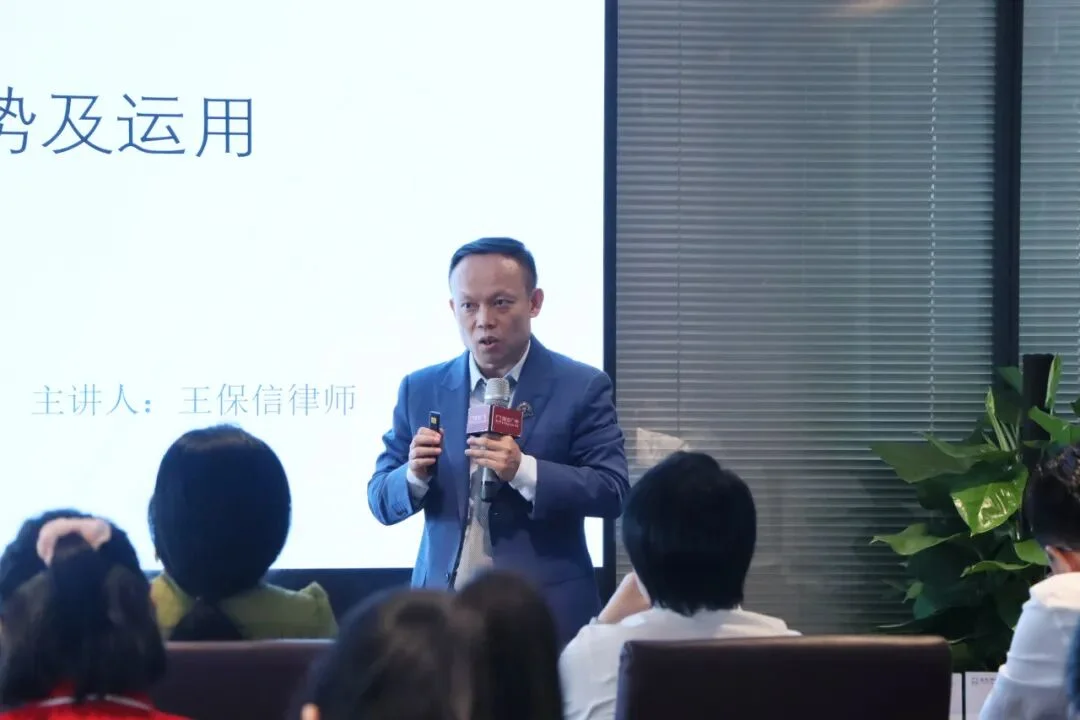 Subsequently, Lawyer Wang specifically shared the application of arbitration in practice, such as using fund custody + arbitration agreement models to protect the security of contract transactions like intermediary services and consulting services; setting arbitration clauses to solve practical problems in rights confirmation and fiscal and tax matters. He also gave examples of common situations where arbitration agreements are invalid in judicial review, clauses of either litigation or arbitration, jurisdictional objections and their solutions. Lawyer Wang suggested making good use of arbitration tools, such as inserting arbitration clauses in favor of oneself during the contract signing stage and negotiation stage, and choosing professional arbitrators during the arbitration stage. Finally, Lawyer Wang discussed in depth with the guests present how to assist clients in setting arbitration clauses and the application strategies of arbitration in transaction security and cost-effectiveness.
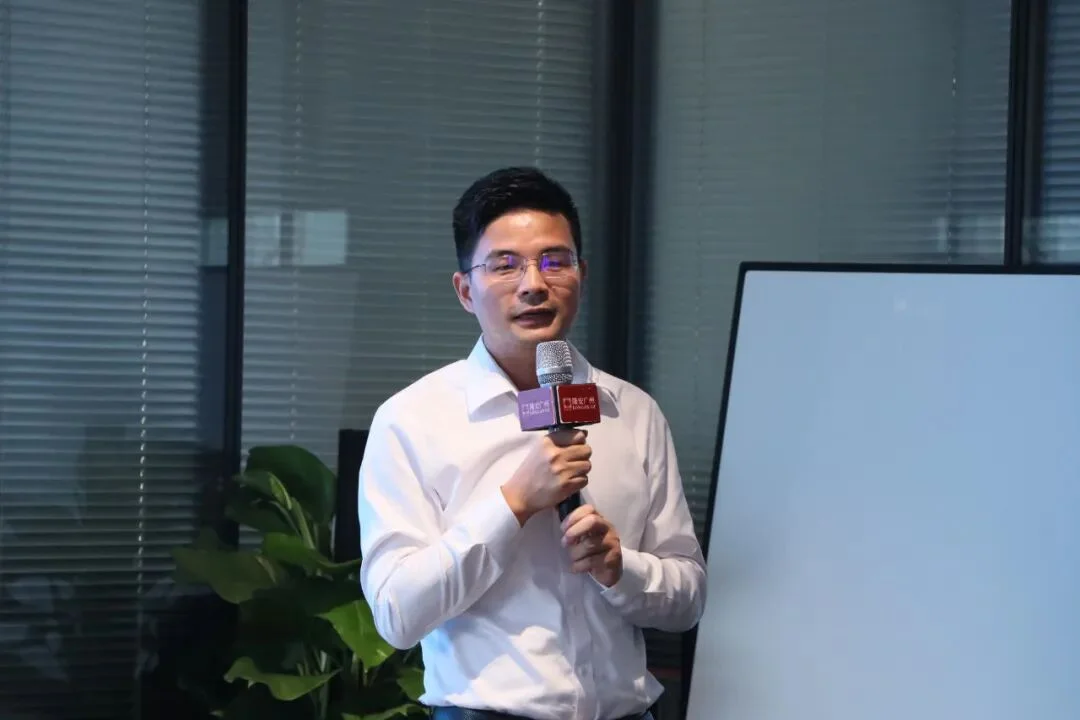 Dean Ouyang Qing
Executive Dean of Bo Yan Business School
Dean Ouyang Qing, Executive Dean of Bo Yan Business School, gave a summary speech for this event. Dean Ouyang said that today’s sharing was very beneficial, especially the sharing of legal knowledge in areas such as commercial arbitration and tax security, which was very helpful. Finally, she especially thanked Beijing Longan (Guangzhou) Law Firm, Lawyer Wang Baoxin, and the students present for their support in this event.
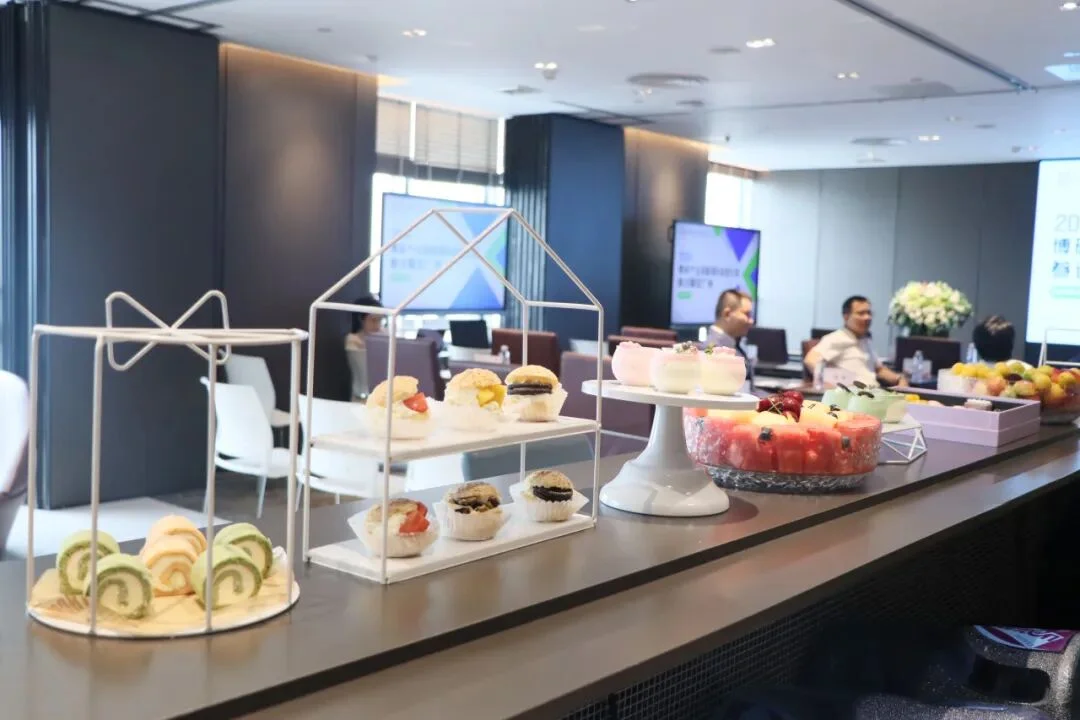

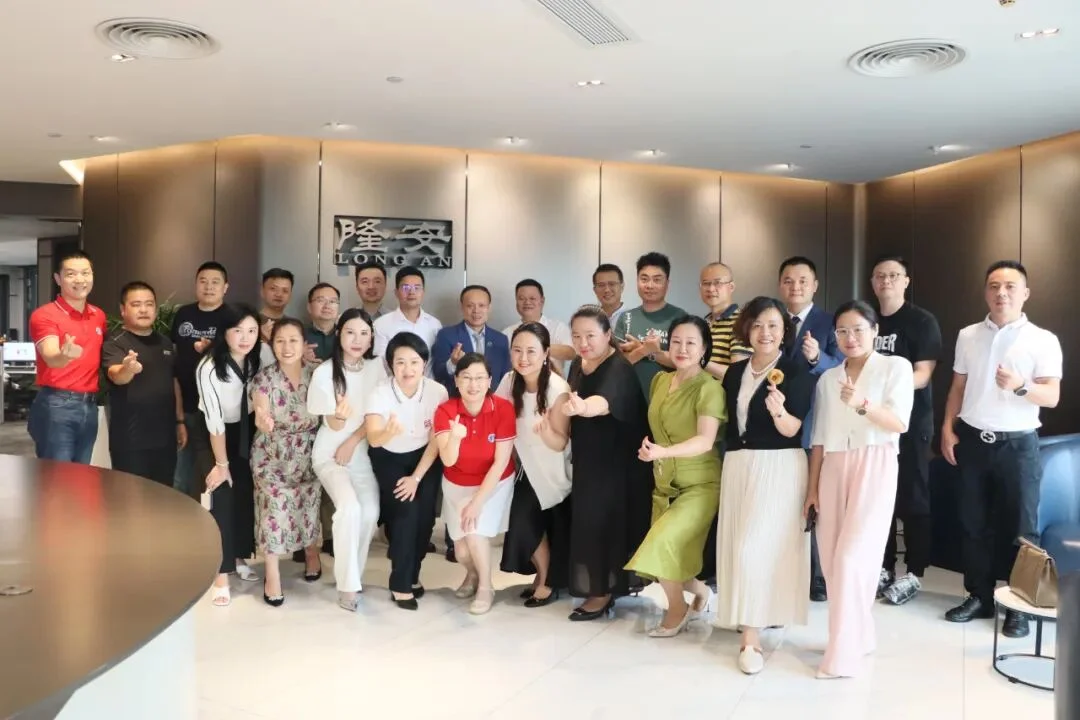 With the end of the sharing session, this research and sharing event came to a successful conclusion. This event not only enhanced the communication between Bo Yan Business School and Longan Guangzhou in legal practice, but also further improved the participants’ understanding of commercial arbitration and related legal knowledge such as the new Company Law. It also laid the foundation for more communication and learning activities between Longan Guangzhou and Bo Yan Business School. In the future, Longan Guangzhou will actively promote exchanges and cooperation between the two sides, and we look forward to more effective communication and sharing activities in the future.