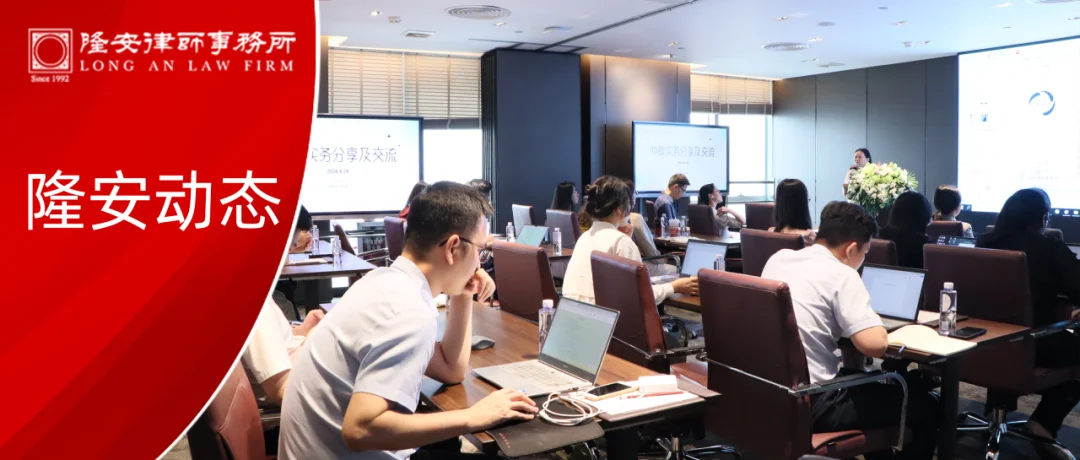
On April 24, 2024, in order to help lawyers in the firm gain a deeper understanding of commercial arbitration procedures, Longan Guangzhou organized a “Sharing and Exchange on Practical Matters of Commercial Arbitration” event. The event was presented by Lawyer Liao Junlian, a senior partner at Longan Guangzhou, a senior researcher at the Longan Bay Commercial Arbitration Research Center, and an arbitrator at the Guangzhou Arbitration Commission. Many lawyers from the firm participated in this event to discuss in detail the practical aspects of commercial arbitration.
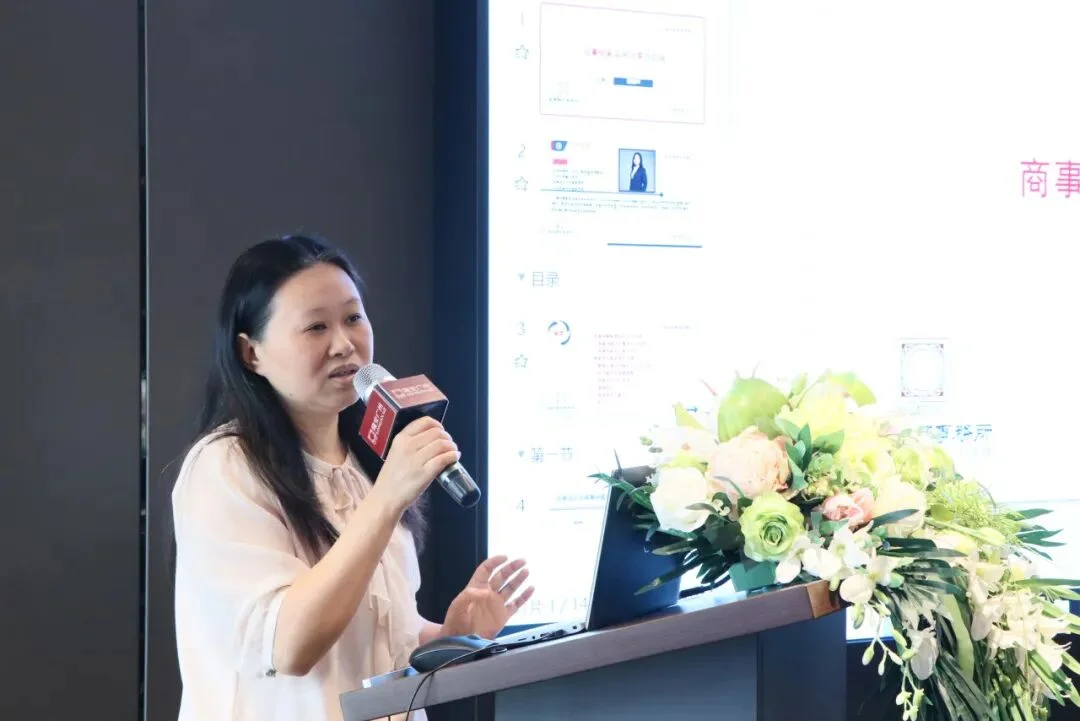 Lawyer Liao Junlian
Senior partner at Longan Guangzhou, senior researcher at the Longan Bay Commercial Arbitration Research Center, arbitrator at the Guangzhou Arbitration Commission
Lawyer Liao Junlian began by discussing the similarities and differences between civil litigation and commercial arbitration, as well as the functional role of commercial arbitration. She pointed out that arbitration emphasizes autonomy of will, balance of interests, and the resolution of issues, making it more efficient. Compared to civil litigation, each has its advantages and disadvantages. Then, based on the quasi-judicial theory and contract theory, she analyzed the theoretical basis of arbitration. From a legal perspective, she stated that arbitration institutions are non-profit organizations with a public welfare purpose. Commercial arbitration is a way for market entities to resolve economic disputes during economic activities. It is similar to entrusting a third party to handle these matters privately.
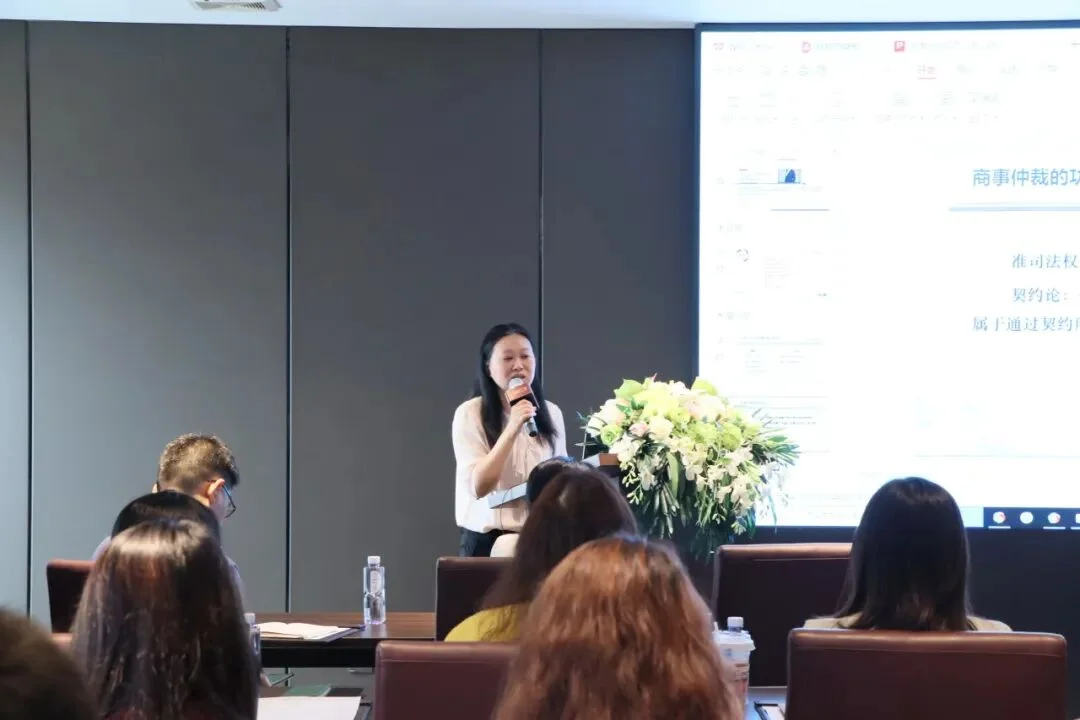 Next, Lawyer Liao detailed the basic procedural issues in arbitration. She analyzed these issues from five aspects: jurisdiction and claims regarding the invalidity of arbitration agreements, selection of arbitrators and the system of recusal, litigation preservation in arbitration, evidence collection, and court proceedings and key points. She suggested that objections to arbitration jurisdiction can be raised with the court or arbitration tribunal, and the handling procedures vary accordingly. Regarding the selection of arbitrators, she recommended choosing arbitrators with strong professional skills and a strong sense of responsibility. For litigation preservation in arbitration, a written request should be made to the arbitration commission, and according to the instructions from the arbitration commission, the necessary documents should be submitted to the court where the property is located or the domicile of the respondent. For evidence collection in arbitration, the arbitration tribunal can issue an order for assistance in evidence collection. Regarding court proceedings in arbitration, the focus of the investigation by the arbitration tribunal is on the facts and reasons on which the arbitration claims are based, as well as the signing and performance of contracts. Finally, Lawyer Liao shared other procedural issues such as combined applications, deliberation, the process of drafting and approving awards, and the expert consultation system.
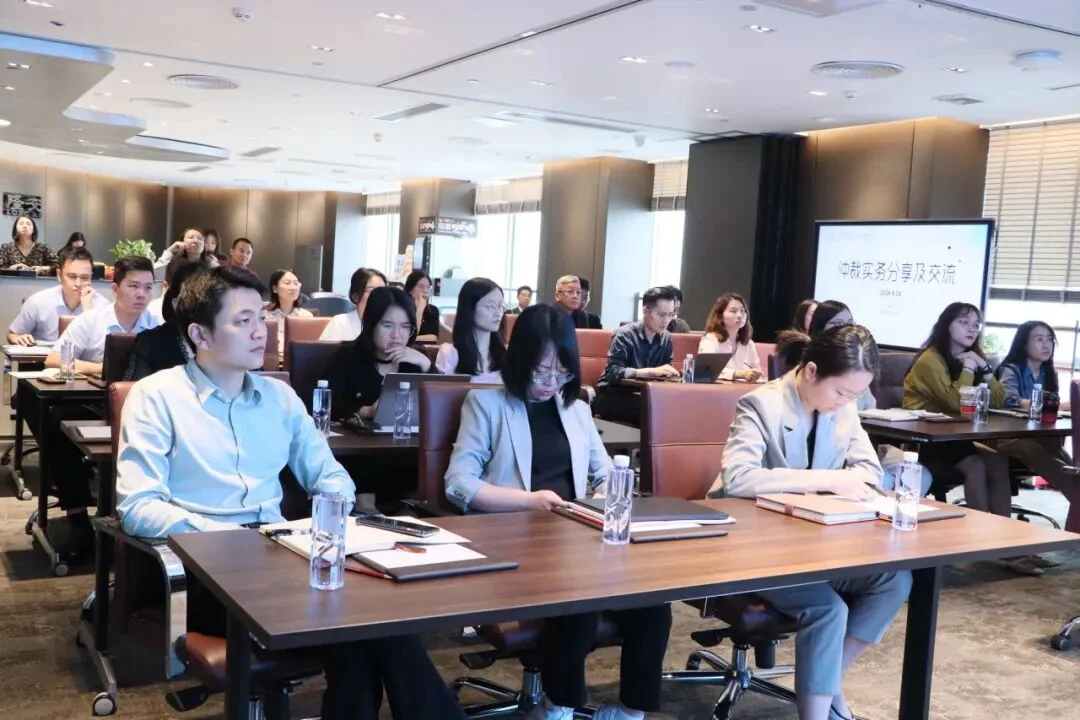 During the interactive session, Lawyer Huang Qingfeng, a senior partner at Longan Guangzhou, deputy director and secretary-general of the Longan Bay Commercial Arbitration Research Center, and an arbitrator at the Guangzhou Arbitration Commission, supplemented the discussion on the procedures for drafting awards by referring to the system of the Guangzhou Arbitration Commission. He also gave a brief introduction to the organizational structure, business development, and case handling processes of the arbitration commission. Then, the guests present discussed in detail issues such as refunding by the arbitration tribunal, feedback on the opinions of the arbitration tribunal, submission to the expert advisory committee, and how actual contractors in construction contract cases can participate in arbitration proceedings.
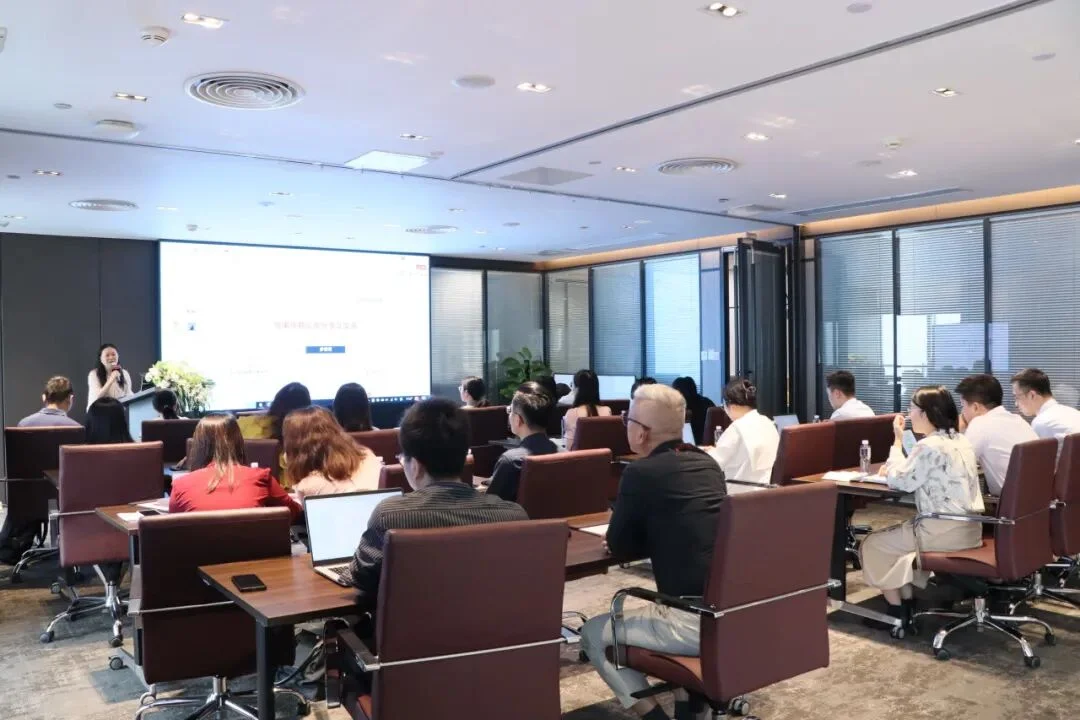 This event attracted many lawyers from the firm to participate, and it was well received. The event concluded successfully. With her rich experience in arbitration, Lawyer Liao explained the procedural issues in commercial arbitration in a clear and easy-to-understand manner, combining theory and practice. This is important for lawyers to understand the differences between arbitration commissions and courts in terms of procedures, and it helps them handle commercial arbitration cases more effectively and achieve favorable results. In the future, Longan Guangzhou will continue to organize more special events on commercial arbitration, further promote discussions in the field of commercial arbitration, and help lawyers at Longan Guangzhou improve their professional skills.