On May 23, 2025, in order to further strengthen the discussion of classic cases in the civil and commercial field within the law firm, share practical experience and case-handling skills, and enhance the professional competence of lawyers, Longan (Guangzhou) Law Firm in Beijing held the “Third Session of the Classic Case Seminar”. This event focused on classic cases in the civil and commercial field, and four outstanding lawyers were specially invited to give presentations: Wei Guoxiang, a senior partner at Longan Guangzhou, Ye Peng, a partner at Longan Guangzhou, Kong Ming, a partner at Longan Guangzhou, and Li Wenjuan, a lawyer. Ye Peng, a senior partner at Longan Guangzhou, served as the host for these presentations.
Case Seminar
|LONGAN
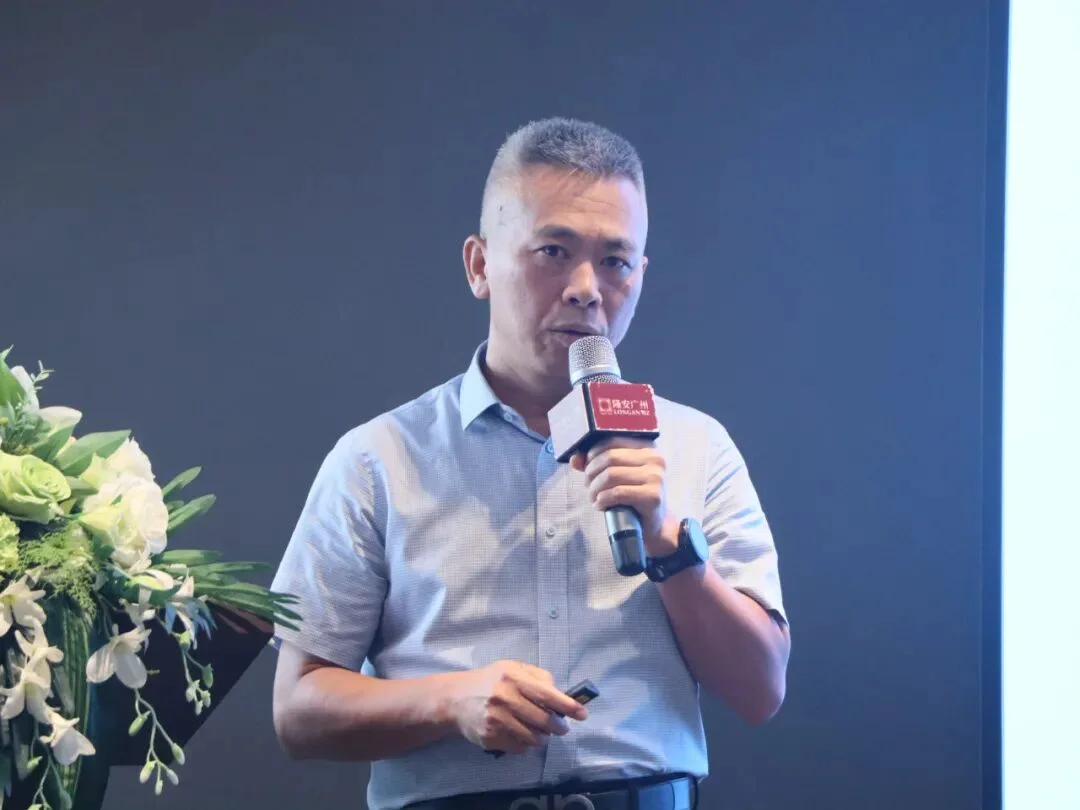 Lawyer Wei Guoxiang
Senior Partner at Longan Guangzhou
Lawyer Wei Guoxiang presented his insights on the topic of “Litigation and Negotiation Solutions in Disputes Over Land Compensation Agreements—Taking the Dispute over Replacement Shops as an Example”. First, he introduced the facts of the case, and then detailed the key points during the litigation process, including issues such as incorrect shop selection procedures,不符合ing conditions for the shops, and the fault lies with the other company. This dispute lasted more than four years, with multiple rounds of negotiation after the first and second instance judgments. During this period, Wei’s team participated in nearly 20 negotiations with the other company. The other party was stubborn and the negotiations were difficult. After several rounds of negotiations, the team managed to secure the best possible outcome for the client, and the case was resolved successfully.
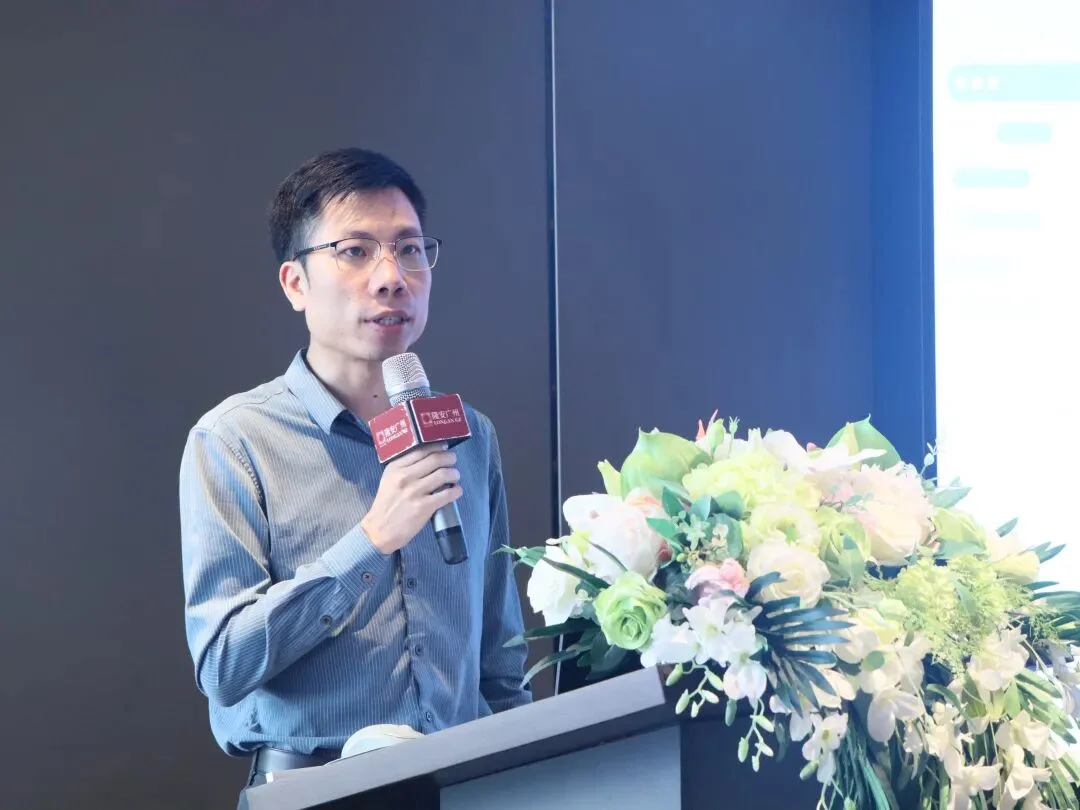 Lawyer Ye Peng
Senior Partner at Longan Guangzhou
Lawyer Ye Peng discussed the topic of “Whether a recommender needs to bear joint liability”, and first explained the legal relationships involved in the case, including A Electrical Store, Company B, Construction Company C, and the property owner. He also described the different court judgments during the litigation process. The first-instance judgment required Company B to bear joint liability, while the second-instance judgment ruled out joint liability. Ye analyzed the differences in interpretation between the first and second instances regarding the “service provider” clause. The first-instance court considered “binding designation = management responsibility”; the second-instance court considered “qualification review ≠ construction supervision”. Ye pointed out that joint liability is not “punishment for all”, and the key is to clarify the fault and causation. Contract terms are an important tool to avoid corporate risks, and the effectiveness of these tools depends on compliance details. It is recommended to strengthen corporate compliance strategies from three aspects: contracts, qualifications, and inspections.
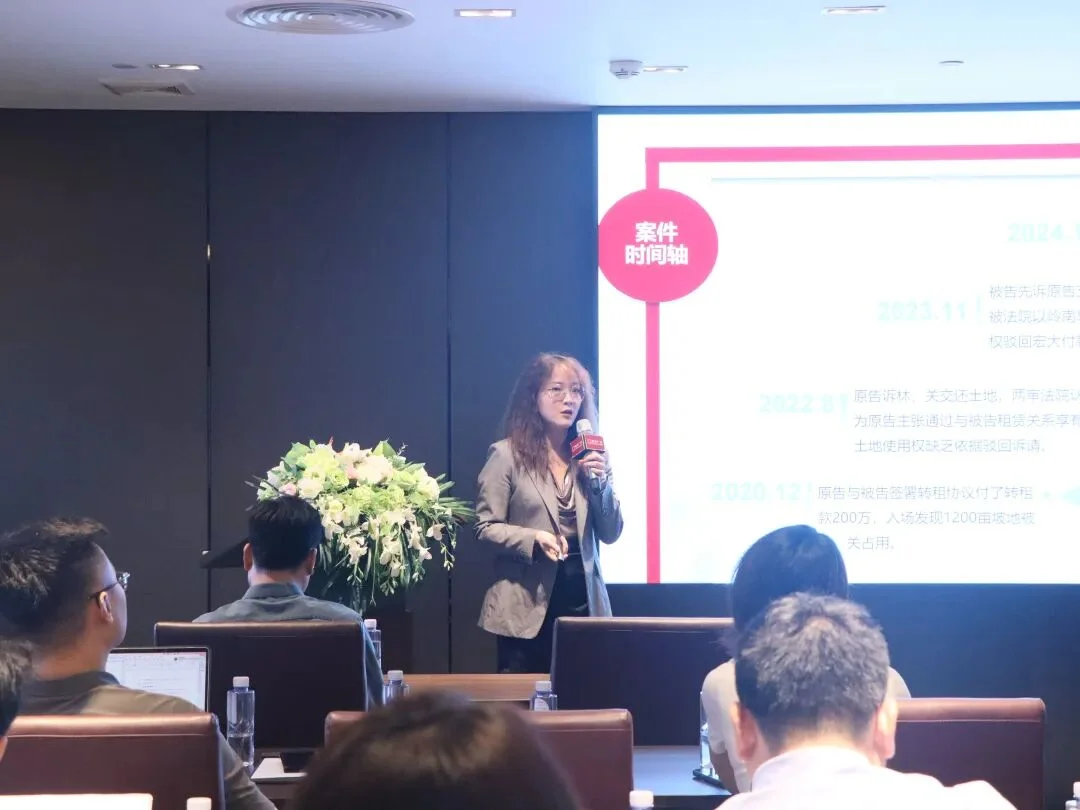 Lawyer Li Wenjuan
Lawyer Li Wenjuan presented her insights on “Practical Approaches to Handling Land Lease Disputes”. She first introduced the basic situation of the case, and then analyzed the key points of the dispute by comparing with related cases. By examining the history of land use, she clarified the previous legal relationships and provided a litigation strategy. During the litigation process, the first-instance court ruled to terminate the contract and refund money due to the unachievable purpose of the contract. After the second-instance court accepted the appeal, it requested a non-hearing second-instance hearing, and the second-instance process was completed within 2 months. Lawyer Li mentioned that handling cases is dynamic, and it is important to adopt a positive attitude, deeply understand the facts, explore multiple approaches, and accurately understand the “people” in justice. Legal services ultimately revolve around “people”.
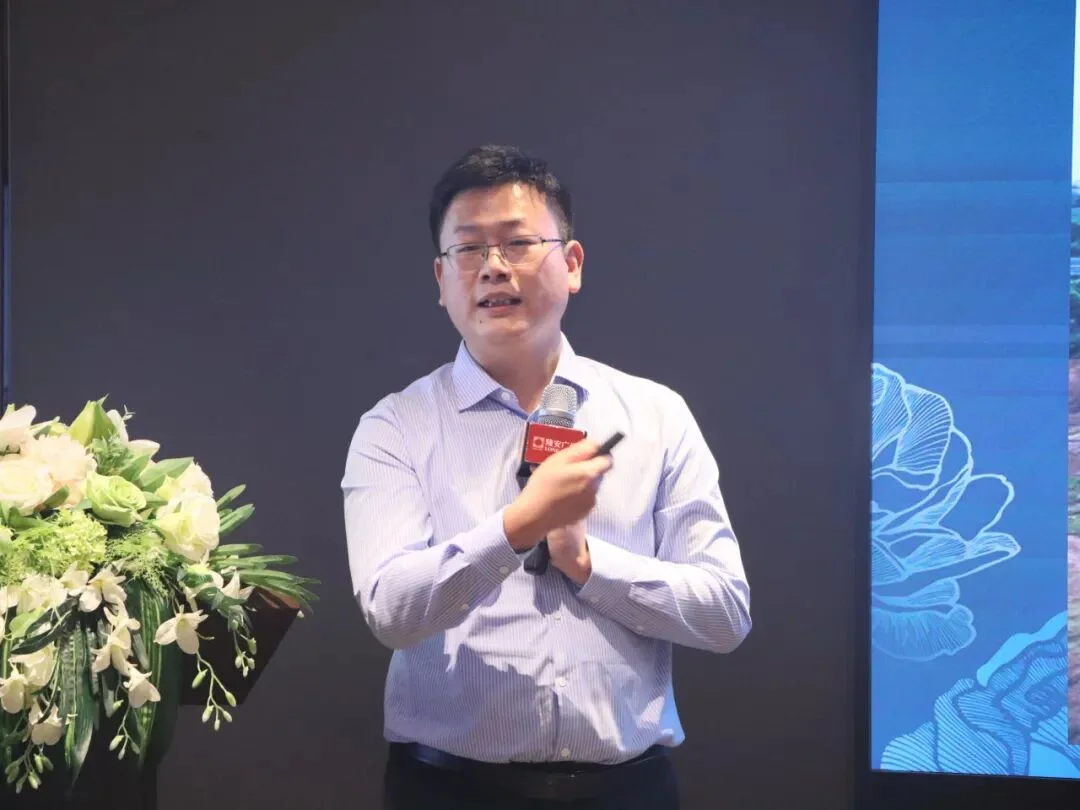 Lawyer Kong Ming
Partner at Longan Guangzhou
Then, Lawyer Kong Ming further discussed “Practical Approaches to On-site Investigations in Land Disputes”, providing more ideas and techniques for on-site investigations. Combining with other county land dispute cases, he analyzed the differences between documents and on-site inspections. He also combined the policies during the “Three Determinations” period in forestry, and determined the validity of documents by examining the internal documents and records of the “Member’s Private Mountain Certificate”.
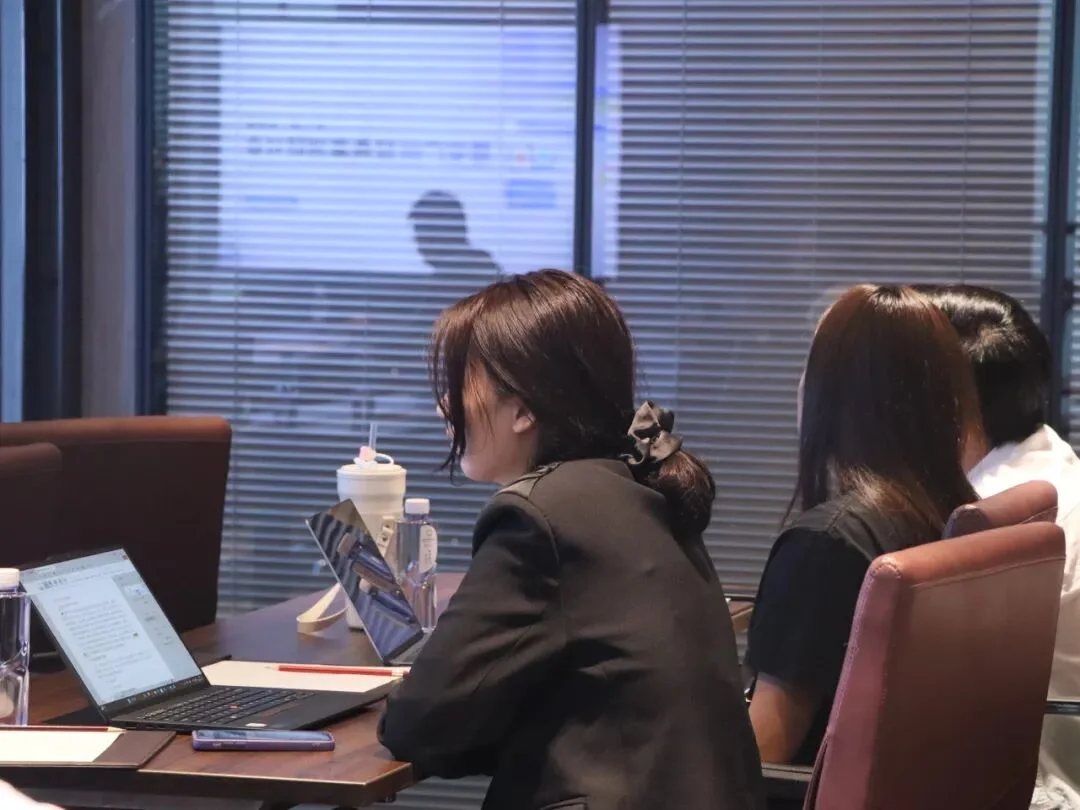
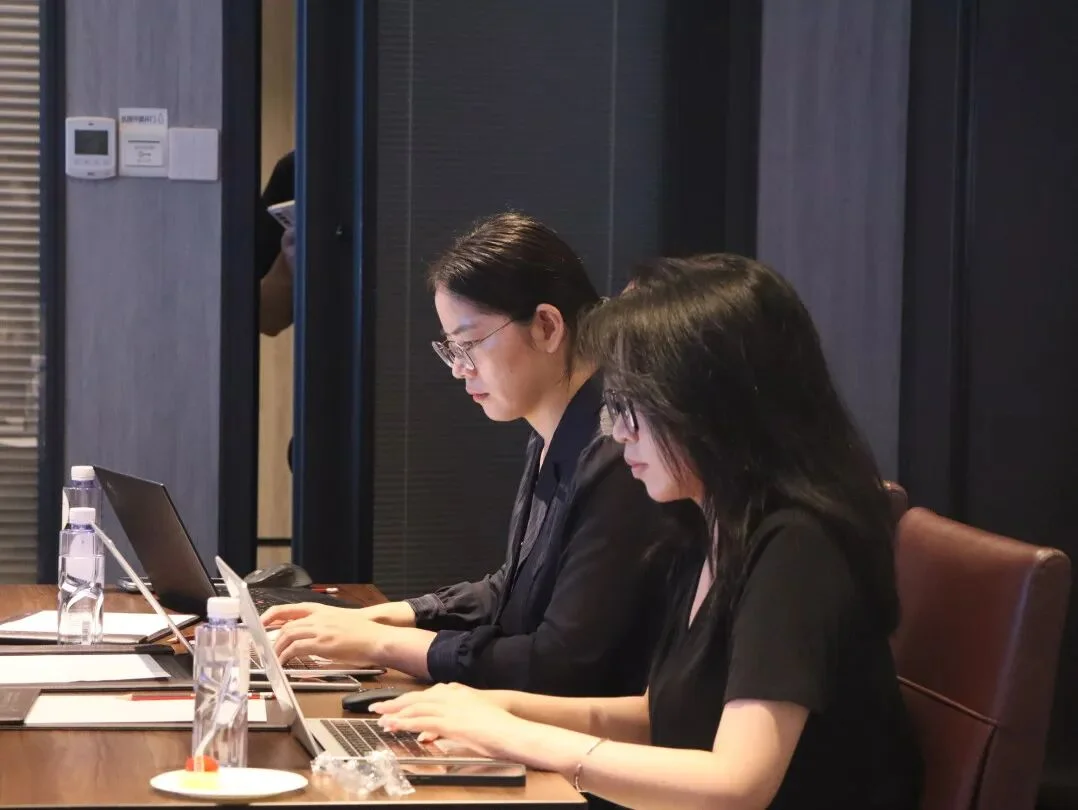
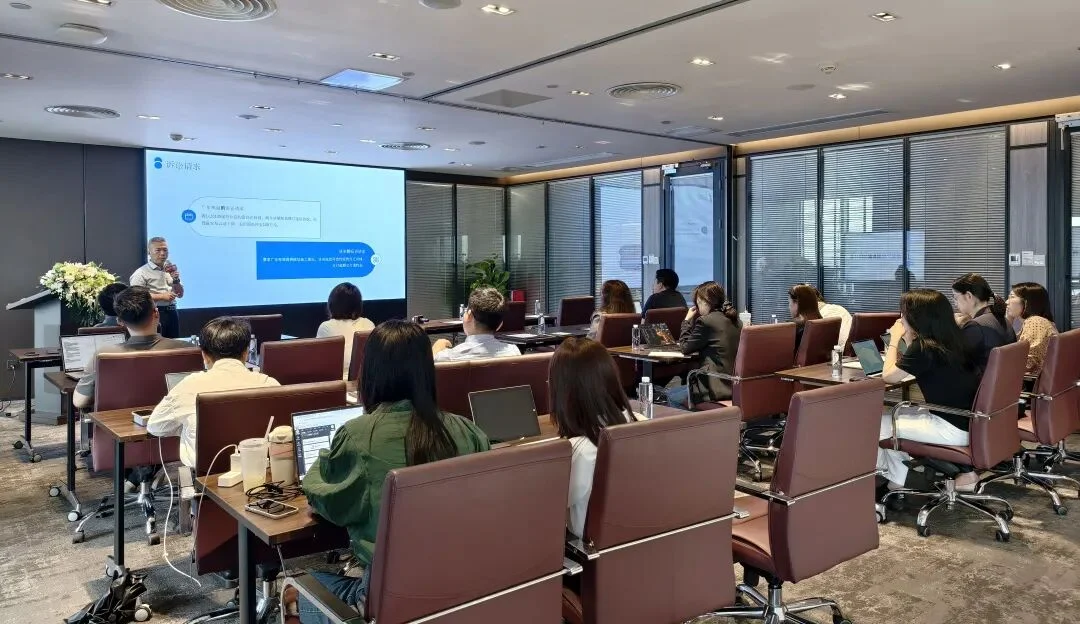 The Longan Guangzhou Classic Case Seminar aims to invite senior lawyers from various fields within the firm to share their experiences with typical cases they have handled. Previously, special seminars on the “criminal field” and “intellectual property field” have been held. The third session focuses on the “civil and commercial field”. Through sharing and discussion of classic cases, the firm’s professional advantages and service capabilities in civil and commercial fields are further strengthened. It also provides a high-quality platform for experience exchange and a shared learning mechanism for all lawyers in the firm. This effectively promotes the exchange of experiences and collaborative innovation among different business teams.