
As artificial intelligence technologies continue to evolve rapidly, the legal services sector is undergoing a comprehensive digital transformation. Efficient and standardized use of intelligent tools has become a core competency for legal professionals seeking to enhance service quality and meet market demands. To empower its lawyers with practical AI skills, Beijing Longan (Guangzhou) Law Firm held the first session of its AI series internal sharing event on August 12, 2026. The session, themed “From Asking AI to Having AI Deliver”, featured Li Boyang, Director of the Longan Bay Area AI Legal Research Center, as the keynote speaker, with nearly eighty colleagues joining both on-site and online.
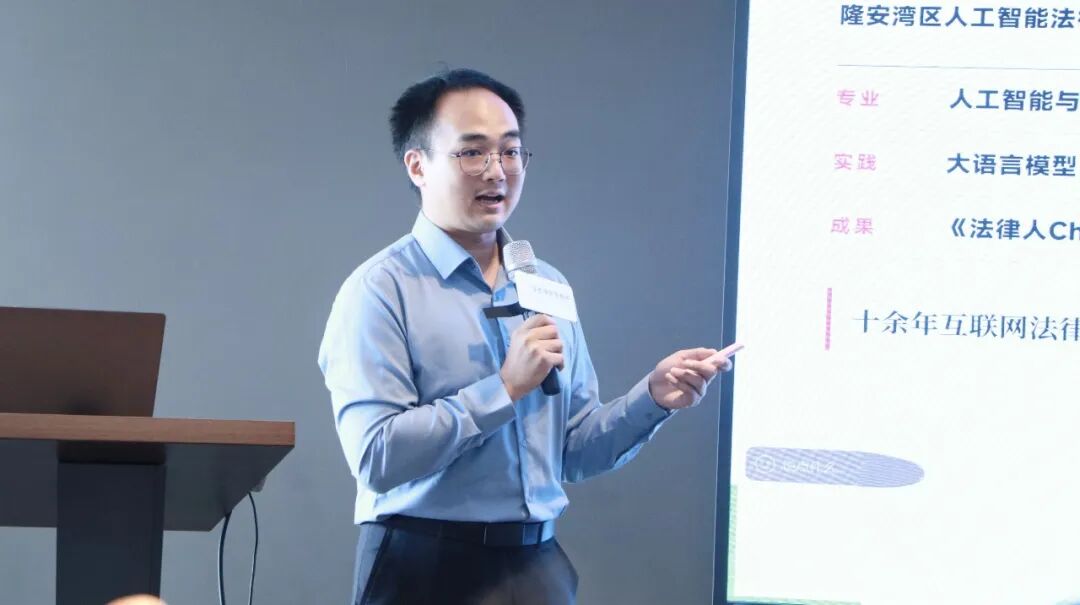
At the outset, Li Boyang noted that AI tools have already become fully integrated into the legal industry. He said the sharing session would set aside abstract technological concepts and focus instead on high-frequency work scenarios such as daily document drafting, case organization, and evidence review, hoping that all participants would find the content practical and immediately applicable.
Drawing on internal survey data and an interactive ranking of AI tools, Li Boyang analyzed the current state of AI usage within the firm. He pointed out that only a minority of colleagues have so far engaged with and mastered the proper use of automated Agent tools.
Li Boyang then shared his observations on overseas AI legal service trends. He noted that many ordinary clients are already able to use AI to generate legal documents and organize case materials on their own, leading to higher expectations for responsiveness, professional depth, and delivery efficiency. Lawyers should proactively adapt to this trend and continuously strengthen their professional service capabilities.
Li Boyang also provided a detailed breakdown of the underlying limitations of Chatbots and their standardized usage methods. He highlighted inherent flaws such as single-turn Q&A interaction, the need to manually copy materials, and a tendency to fabricate legal provisions. He summarized common usage mistakes including vague questioning, reversing cause and effect, and making non-specific revision requests. To address these pain points, Li Boyang introduced a four-dimensional formula for standardizing requests: “Goal + Question + Approach + Example”. He also explained the value of Markdown as a structured document format, noting that Markdown is designed for both human reading and AI parsing, making it one of the best draft formats for firm documents and professional articles.
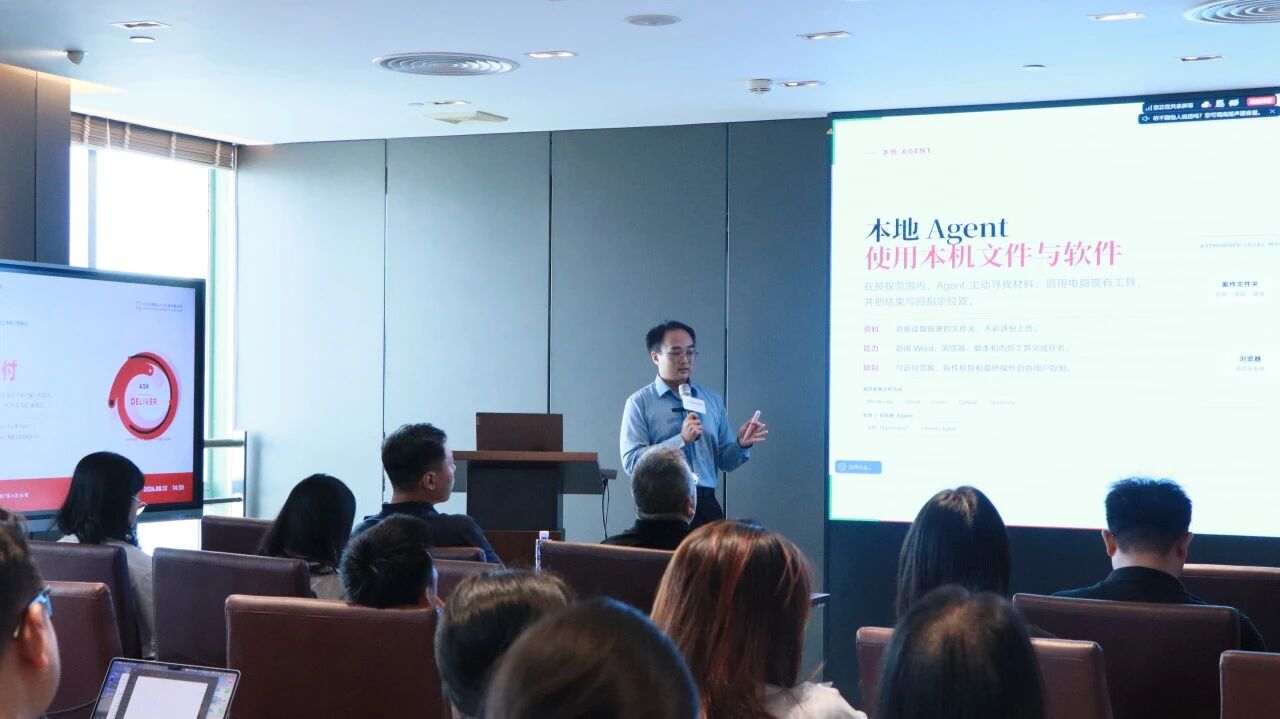
Next, Li Boyang gave a systematic introduction to advanced AI applications in the firm, explaining the core value and usage norms of Agent intelligent agents. He compared the passive response and tendency to generate fictional content in traditional Chatbots with the ability of Agents to autonomously decompose tasks and deliver closed-loop results. He described the pros and cons and applicable scenarios of cloud-based and local Agent forms, clarified the boundaries of intelligent agent capabilities, and shared the 5W2H standardized instruction method as well as tool selection recommendations for beginners, effectively addressing the issues of repetitive operations and low efficiency in traditional AI office work.
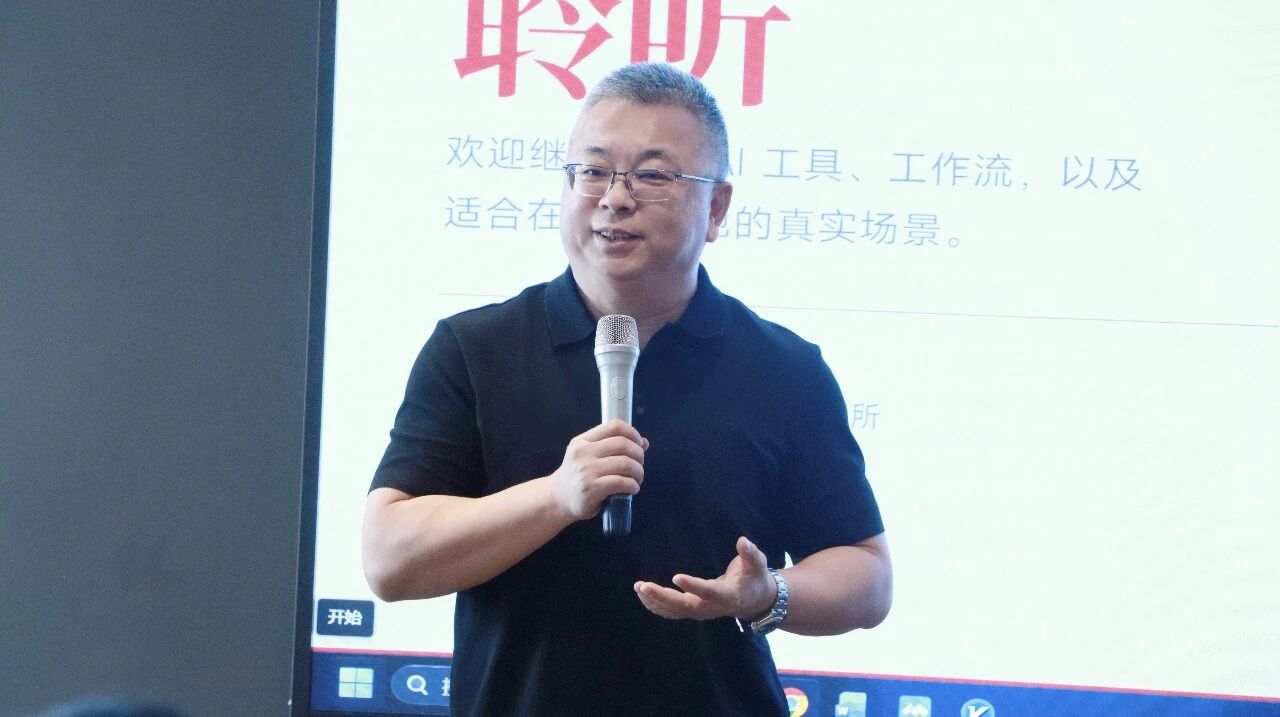
Building on this foundation, Li Boyang highlighted two core tools: MCP and Skill. By using MCP to establish reliable channels for retrieving authoritative information and employing two types of Skill to standardize and constrain AI output, the combination of Agents with these dual tools significantly reduces the likelihood of AI fabrication and strictly controls content errors. In addition, Li Boyang provided a lightweight approach to deploying local models within the firm and listed open-source models suitable for various legal practice scenarios, offering clear and practical guidance for secure, standardized, and efficient large-scale implementation of AI-assisted case handling.
At the end of the session, a free exchange and Q&A segment allowed participating lawyers to ask questions about local model deployment, Agent tool selection, and document Skill construction. Li Boyang answered each question in detail based on his practical experience, and the atmosphere was lively.
Finally, Liu Xin, Director of the Longan Guangzhou Management Committee, delivered closing remarks. He discussed the industry transformation opportunities brought by the AI wave, mentioned that the firm is building a smart office system, and encouraged everyone to proactively embrace AI. He emphasized that AI can significantly improve practice efficiency, and only by actively learning and making good use of intelligent tools can lawyers keep pace with industry evolution and not be left behind.
This AI-themed internal sharing session addressed real pain points in lawyers’ daily work, avoided obscure technical jargon, and effectively filled knowledge gaps in the use of automation tools. Going forward, Longan Guangzhou will leverage the professional strength of the Longan Bay Area AI Legal Research Center to regularly deliver digital practice content, continuously explore deep integration of AI with litigation and non-litigation businesses, and improve team efficiency through digital means, ultimately providing clients with more professional and efficient integrated legal services.