
On August 6, 2026, a themed salon titled “Tax and Law: Compliance Risk Prevention and Control for the Cosmetics Industry” was jointly held by the Guangzhou Taxpayers Association, the Guangzhou Baiyun Cosmetics Industry Promotion Association, and Beijing Long An (Guangzhou) Law Firm. The event brought together cosmetics companies and legal, tax, and accounting experts to address the increasingly complex compliance risks facing Guangzhou’s “beauty industry,” including tax, financial, and criminal risks.
The preliminary research for the salon was supported by the Guangzhou Baiyun Cosmetics Industry Promotion Association. Think tank experts from the Guangzhou Taxpayers Association visited companies including Li Ji Packaging and Adolph to investigate practical difficulties in tax policy implementation and compliance risk prevention through on-site visits and discussions. The research found that as the cosmetics industrial cluster in Guangzhou expands, tax and financial issues in e-commerce promotion investment, import procedures, and R&D expense allocation have become prominent, while disputes in commissioned processing, brand licensing, and channel distribution are frequent. Criminal risks in taxation and production/sales remain high, and single-dimensional compliance management is no longer sufficient to address the challenges of the new economic normal and regulatory trends.
Featured speakers included Hao Hao, senior partner at Long An Guangzhou, deputy director of the Long An Bay Area Legal, Tax and Financial Integration Research Center, and an innovative think tank expert of the Guangzhou Taxpayers Association; Zhang Bo, full-time lawyer at Long An Foshan, senior advisor and deputy secretary-general of the center, and a certified public accountant and tax advisor; and Ma Xiaoyu, full-time lawyer at Long An Guangzhou.

In his opening remarks, Liu Yang, a representative of the Guangzhou Taxpayers Association, noted that the association, having developed over nearly a decade, now has more than 360 member companies. By collecting tax-related concerns from members and relaying them to tax authorities, it has become an important platform for communication between taxpayers across industries and tax departments. The association regularly holds tax-enterprise forums and, with a large think tank of lawyers, accountants, and tax advisors, provides professional and targeted compliance guidance. He invited more cosmetics companies to join and actively report common industry demands to promote the healthy and sustainable development of Guangzhou’s beauty industry.
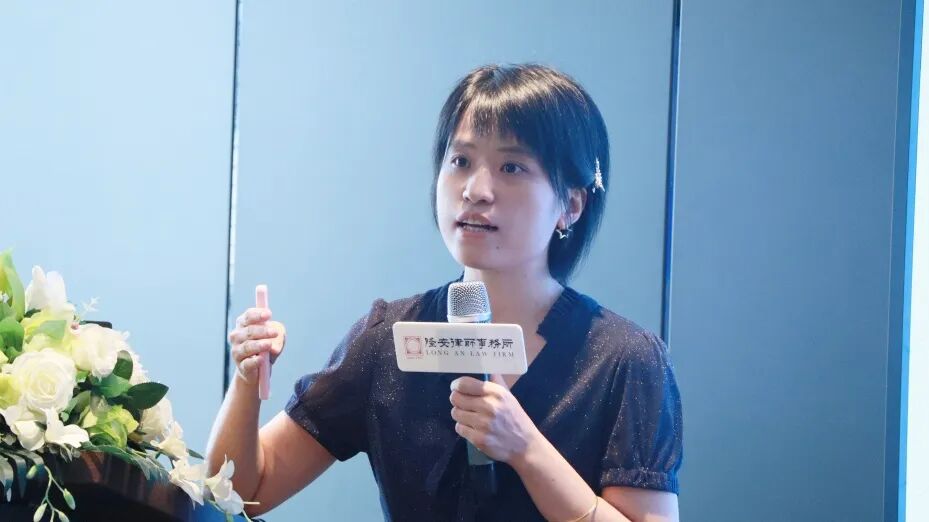
Zhang Bo’s presentation, titled “Legal, Tax, and Financial Risk Alerts and Compliance Practices for the Cosmetics Industry,” systematically mapped the compliance challenges from the perspectives of value-added tax, consumption tax, corporate income tax, individual income tax, and employment risks. She highlighted risks such as unbalanced input tax deduction structures caused by high gross margins, practical pitfalls in consumption tax for packaged cosmetics, individual income tax risks from shareholder borrowings, and the comprehensive regulatory pressure under the data-driven governance of Golden Tax Phase IV, where multiple government departments share data. Advocating that “ex-post relief is not as good as in-process response, and in-process response is not as good as ex-ante compliance,” she urged enterprises to stop high-risk behaviors, conduct multi-dimensional compliance self-audits, restructure equity and governance, embed internal controls in business processes, and seek professional support to build a full-chain compliance management system covering prevention, response, and remediation.

Hao Hao’s presentation, titled “Beauty Has a Price, Freedom Is Priceless: Analysis of High-Frequency and High-Risk Criminal Risks in the Cosmetics Industry,” pointed out that under the new regulatory environment of Golden Tax Phase IV, the public security’s “data-as-evidence” initiative, and multi-department data sharing, tax and invoice issues in the cosmetics industry will rise from compliance hazards to a high-incidence area of criminal risk. Drawing on the industry’s high gross margins, high sales ratios, and irregular upstream invoicing, he examined the prosecution standards and sentencing scales for tax evasion and falsely issuing special VAT invoices. He warned that practices such as using surplus invoices, concealing income through private accounts, and purchasing invoices to offset input tax face extremely high detection risks under big data comparisons. He also provided an overview of common criminal charges in production, distribution, and marketing, stressing that “industry practice,” “never been caught before,” and “everyone is doing it” cannot serve as excuses for violating the law. Once the legal red line is crossed, business owners will bear both the loss of liberty and property. In his reflections on “what compliance means,” he emphasized that compliance is not a shackle restricting business development but armor protecting steady growth. With big data and AI deeply empowering tax regulation, business operations have become nearly transparent, and traditional concealment methods are no longer effective in front of new-generation information systems. Regardless of whether judicial policies retain compliance incentive mechanisms, enterprises should integrate compliance into the entire operation chain in the AI and big data era.

Ma Xiaoyu’s presentation, titled “From Governance to Contract: Corporate Governance and Civil and Commercial Law Practices in the Cosmetics Industry,” analyzed governance and contract management pain points, including shareholder capital contribution obligations, property commingling risks, joint liability of affiliated companies, and the fiduciary duties of directors, supervisors, and senior executives. Under the new Company Law, she clarified the compliance logic from corporate governance to transaction security. She focused on contract lifecycle management, delivery quality, and payment recovery, revealing common pitfalls in areas such as ownership of sample results, missing contract clauses, change management, and filing. She called for a full-process compliance management system from risk identification and system construction to long-term optimization, emphasizing that compliance is not a cost but the strongest moat for an enterprise.
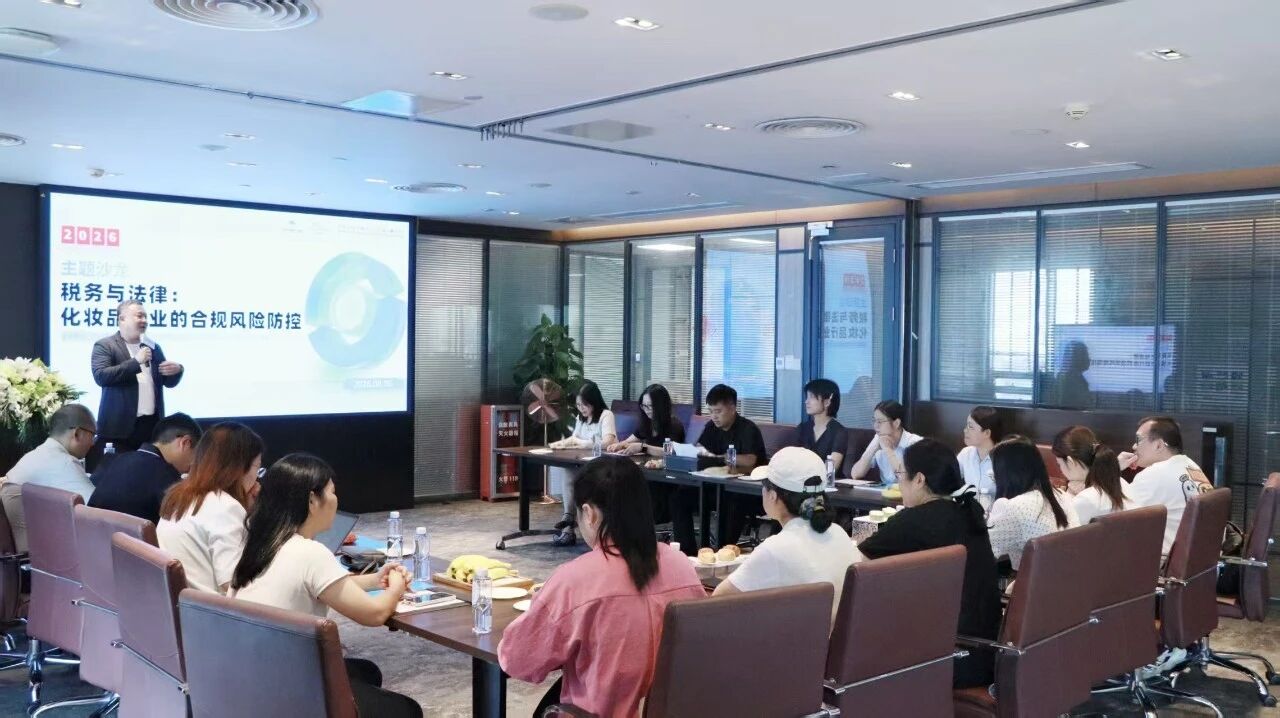
During the interactive session, financial and tax heads from companies such as Zhengyan, Aibisheng, Shangpinhui, and Huamiao shared their compliance concerns. Attendees actively discussed practical issues, including tax treatment in specific scenarios and social insurance contribution practices, with the experts. The atmosphere was enthusiastic and the discussions pragmatic. Participating representatives said the salon was closely aligned with industry realities, offered vivid and detailed cases, and provided practical advice of significant guiding value for compliant operations and risk prevention.
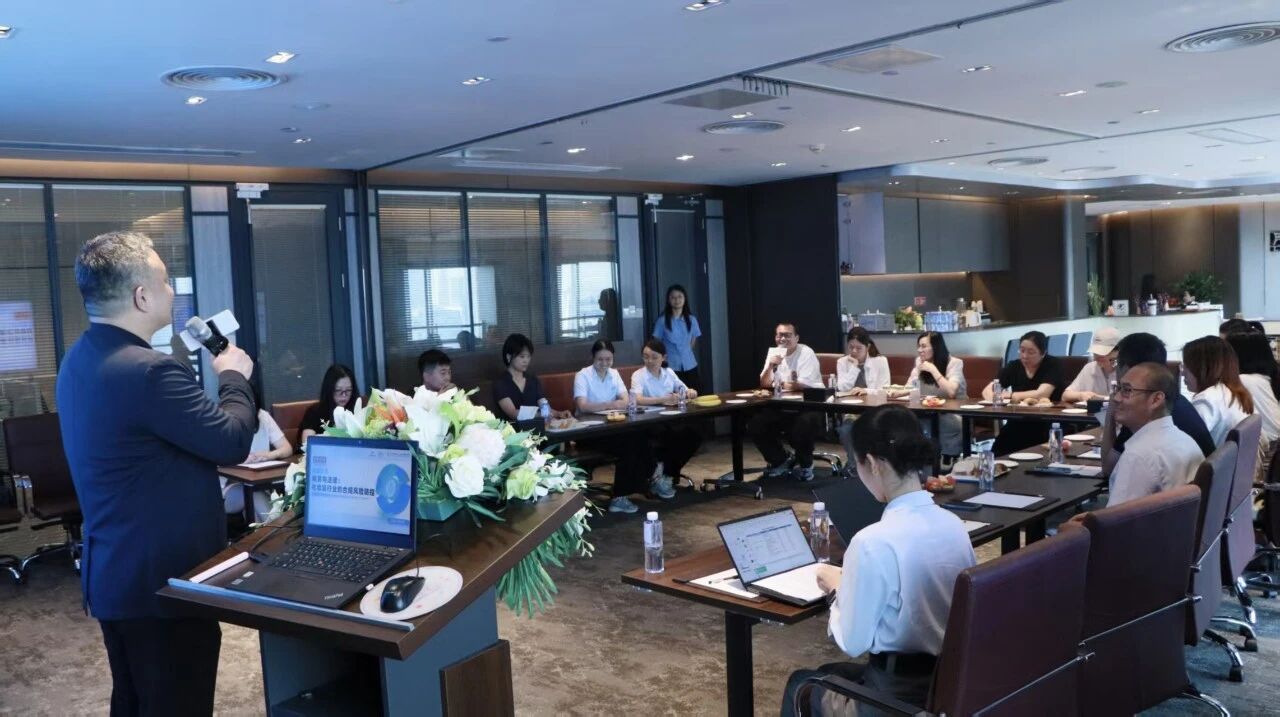
The successful holding of this salon built a high-quality legal and tax compliance exchange platform for Guangzhou’s cosmetics industry and is expected to help raise the overall compliance level of the sector. In the future, Long An Guangzhou will continue to work with the co-hosts to monitor the compliance needs of the cosmetics industry and launch more targeted professional events, contributing to the steady and high-quality development of Guangzhou’s “beauty industry.”