
On September 2, Beijing Long An (Guangzhou) Law Firm (Long An Guangzhou) held the second session of its AI internal sharing series.
The session, themed “AGENT Is Not Hard at All: A Step-by-Step Guide to Common Features,” featured Li Boyang, senior partner of Long An Guangzhou and director of the Long An Greater Bay Area AI Legal Research Center, and Zhan Shangli, lawyer at Long An Guangzhou, as speakers. The event focused on lawyers’ daily case-handling scenarios and practical implementation rather than abstract theory. It covered the basic operations of AI Agent legal tools and office applications, helping participating lawyers remove tool-usage barriers and improve intelligent office and case-handling efficiency.
The sharing event was carried out online and offline simultaneously. Besides lawyers of the firm, lawyers from several other law firms joined the learning, and peers from Foshan attended in person, reflecting the professional and cross-industry reference value of the AI practice content.
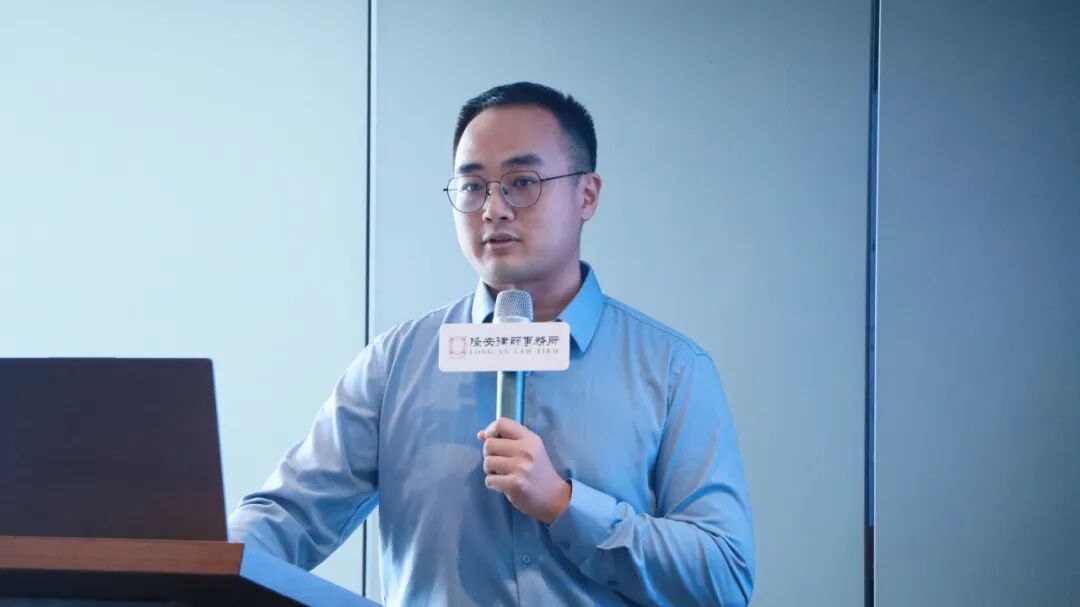
In the first half, Zhan Shangli gave a presentation on WorkBuddy basics, focused on AI-assisted case handling that can be implemented from scratch. He first analyzed four common pain points in traditional legal work: time-consuming document drafting, inefficient legal research, tedious evidence organization, and the risk that cited legal provisions may become invalid. He pointed out that fragmented tools are a key cause of low efficiency, and clearly distinguished ordinary conversational AI from a professional legal AI workstation, highlighting WorkBuddy’s core advantages in reading and writing files, connecting to professional databases, and generating deliverable results.
Zhan then explained software installation and login, permission configuration, model selection, privacy settings, and prompt-writing rules. He detailed the application scenarios of the Craft, Plan, and Ask working modes and the Expert, Skills, and Connectors tools. He also offered a core mindset: treat AI as the service provider and lawyers as the principal, and turn one’s case-handling logic into standardized workflows. In addition, he demonstrated a full AI-assisted case-handling process based on standardized file structures and five common case-handling questions, and emphasized four risk-control lines and professional red lines, stressing that AI outputs must undergo strict manual review to prevent fabricated facts, invalid legal provisions, and other problems.
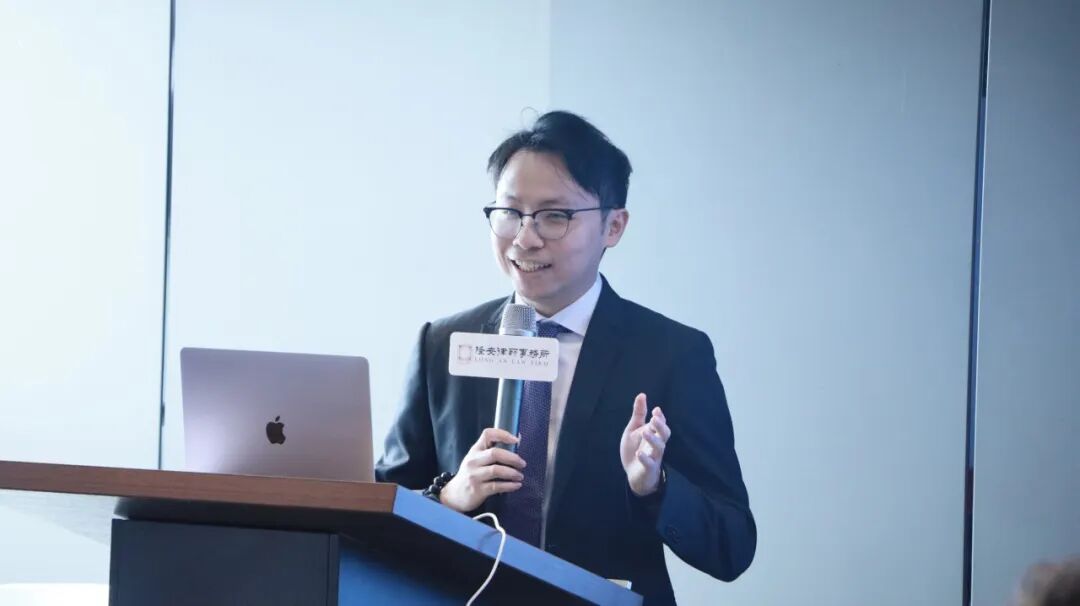
In the second half, Li Boyang focused on practical techniques and optimization for AI Agents in legal work. He broke down several practical Skills suited to legal tasks, such as using grill-me for deep questioning to solve vague instructions, AI misunderstanding, and distorted content, and using UI UX Pro Max to improve the visual presentation of posters, websites, and reporting materials. Li also demonstrated how AI Agents can be used to accumulate individual and team case experience and build customized Skills, making case-handling processes standardized and reusable while significantly improving repetitive work.
To avoid the risk of AI legal hallucination, Li explained the practical application of the Yuandian MCP legal interface, which enables AI Agents to accurately retrieve currently effective legal provisions, judicial cases, and corporate compliance data. For long-cycle, multi-step complex work, he explained the applicable scenarios and operation logic of the Plan mode and the Goal mode, together with workspace classification and tiered model selection. Li also shared an efficient method of using HTML to create interactive presentation pages instead of traditional PPTs, allowing lawyers to quickly produce well-formatted, dynamic and client-ready materials, and broadening the use of AI tools in case reporting, result presentation and business communication.
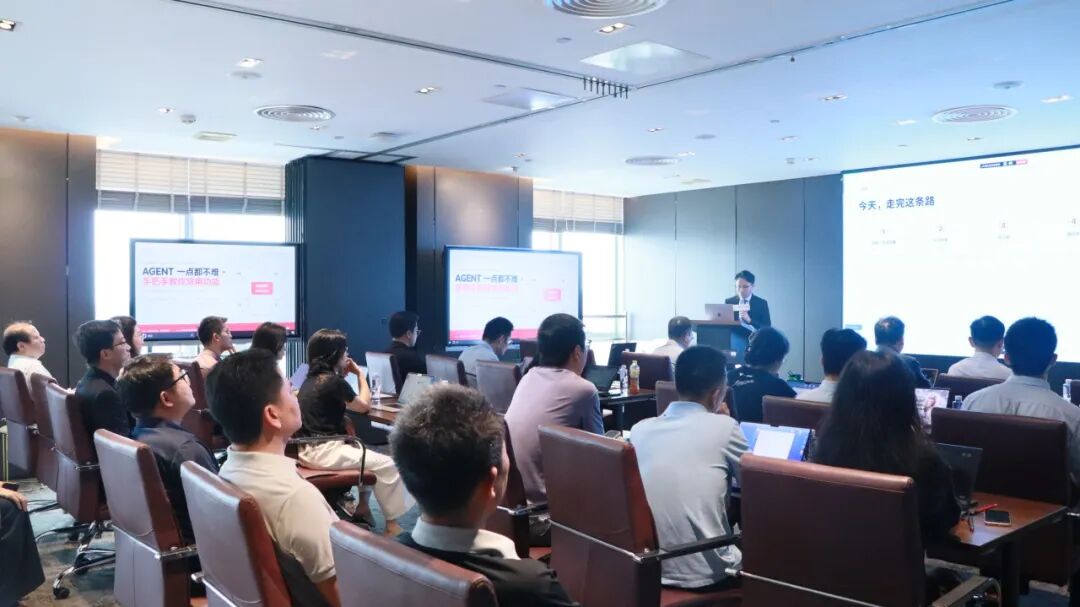
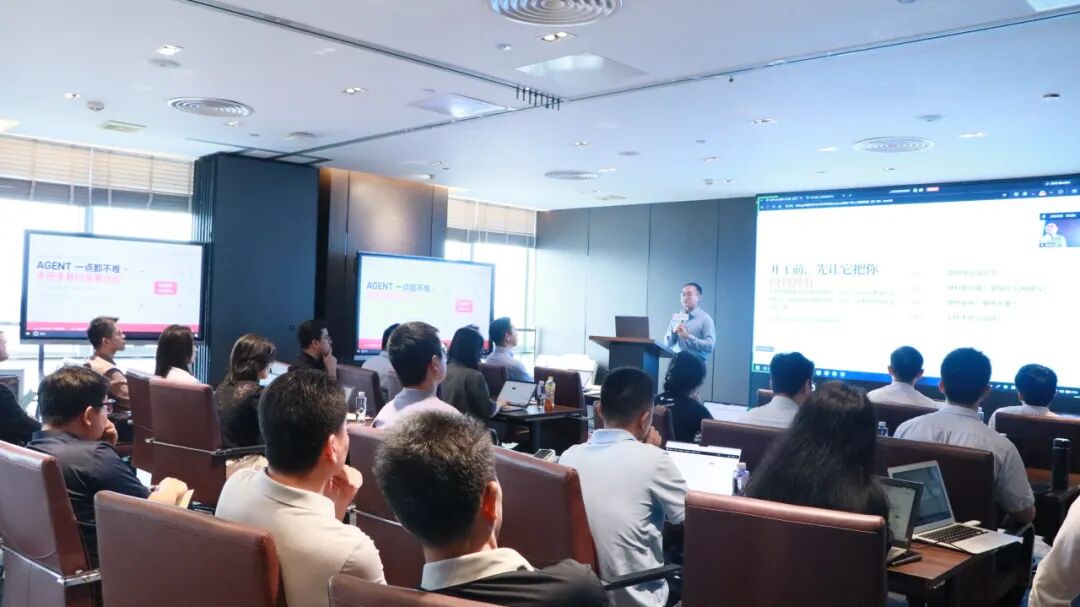
After the sharing session, the event moved into an interactive Q&A segment. Lawyers raised questions related to AI tools and practical difficulties encountered in their daily work, and the two speakers answered them one by one, addressing issues in tool operation, scenario adaptation, and document optimization.
The second AI internal sharing session was practice-oriented and aimed at real implementation, closely matching the daily work needs of lawyers. It helped firm lawyers remove blind spots in using AI tools and master ready-to-use AI Agent office techniques, effectively strengthening their digital working capabilities. In the future, Long An Guangzhou will continue to focus on industry frontiers, regularly organize sharing activities on AI, legal practice, and professional empowerment, and keep building an internal communication and learning platform to promote deeper integration of AI technology with legal services and provide clients with more efficient, professional, and high-quality legal services.